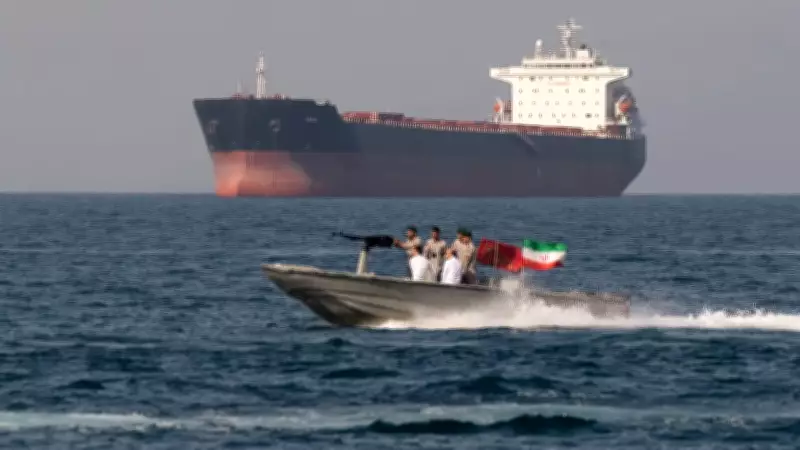
The Department of Migrant Workers (DMW) has issued a critical advisory granting Filipino seafarers the explicit right to refuse voyages through the perilous Strait of Hormuz and other hazardous regions in the Middle East. This directive follows the official designation of these areas as "warlike operations zones" by maritime authorities, a move aimed at safeguarding the lives and welfare of crew members navigating these troubled waters.
Heightened Risk and Expanded Protections
In an advisory signed on Saturday, March 6, 2026, the DMW, under Secretary Hans Leo Cacdac, elevated the risk level for seafarers to its highest tier, encompassing not only the Strait of Hormuz but also the Persian Gulf and the Gulf of Oman. This classification aligns with recommendations from the Warlike Operations Area Committee of the International Bargaining Forum, a body that coordinates between maritime employers and seafarers' unions on issues of wages, benefits, and working conditions.
Comprehensive Safety Measures for Crews
Beyond the right to decline sailing, the protections mandated include full repatriation at the company's expense and double compensation in the event of accidents. The DMW has also urged shipowners to bolster security measures aboard their vessels to mitigate risks. Secretary Cacdac confirmed reports of Filipino seafarers currently anchored in the Strait of Hormuz, assuring that the department is actively collaborating with licensed manning agencies and shipowners to facilitate their safe evacuation.

Regional Conflict and Global Economic Impact
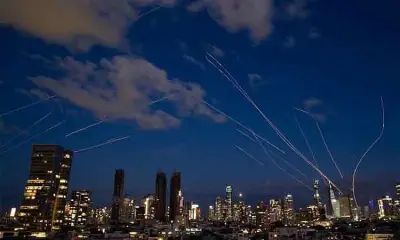
The escalating tensions in the Middle East, driven by conflicts involving the US, Israel, and Iran, have led to the suspension of nearly one-fifth of the global crude oil and natural gas supply. Tehran's targeting of ships in the Strait of Hormuz and other regional energy infrastructure has exacerbated the crisis, contributing to a more than 25% surge in world oil prices and subsequently higher gasoline costs for consumers worldwide.
Disruption to Oil Supply Chains
Due to the near-halt of operations in the strait, major oil producers such as Saudi Arabia, the United Arab Emirates, Iraq, and Kuwait have been forced to cease shipments of an estimated 140 million barrels of oil to global markets. This disruption underscores the strategic importance of the Strait of Hormuz as a critical chokepoint for energy transit and highlights the broader economic ramifications of the ongoing geopolitical strife.
The DMW's proactive stance reflects a commitment to prioritizing the safety and rights of Filipino seafarers, who play a vital role in the global maritime industry. As tensions persist, these measures provide a crucial layer of protection for those facing heightened dangers in conflict-affected regions.