VP Sara Duterte Criticizes Marcos Administration Over OFW Safety Amid Middle East Conflict
Vice President Sara Duterte has publicly criticized the administration of President Ferdinand "Bongbong" Marcos Jr., asserting that the national government failed to adequately prepare for the safety of overseas Filipino workers despite long-standing warnings about potential global conflicts. Her remarks highlight growing concerns about the protection of Filipino nationals abroad as international tensions intensify.
Duterte's Concerns at San Pedro Cathedral Mass
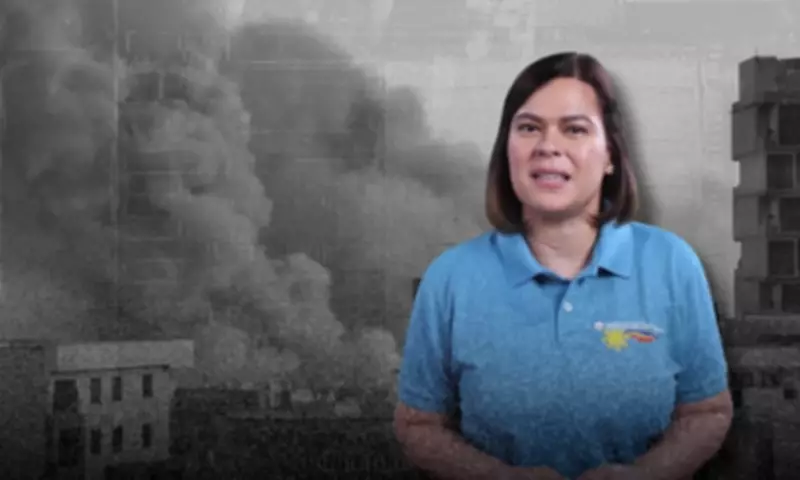
The vice president voiced her criticisms during a mass held at San Pedro Cathedral on March 11, 2026, which marked the first anniversary of her father, former president Rodrigo Duterte's arrest. Speaking to supporters after the religious service, Duterte emphasized that the government appeared unprepared to address the escalating risks faced by Filipino workers overseas, particularly as Middle East tensions have worsened.
"We have not seen any action from the administration. We had already heard about the threat of war as early as 2022, we had already seen it… especially from foreign governments that were already looking at the possibility of a war by 2025," Duterte stated in Filipino during her address. Her comments reflect frustration over what she perceives as insufficient proactive measures from the current leadership.

Escalating Middle East Hostilities
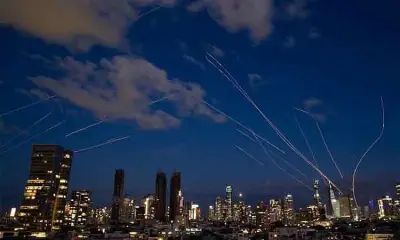
Duterte's remarks come as the Philippine government continues to monitor the safety of Filipinos abroad following a significant escalation of hostilities in the Middle East. On February 28, the United States and Israel launched joint military strikes on Iran, reportedly killing Iranian Supreme Leader Ali Khamenei and triggering retaliatory missile strikes by Tehran.
These retaliatory attacks targeted U.S. military facilities and allied positions in several Gulf states, including the United Arab Emirates, Bahrain, Oman, and Israel. The military exchanges have disrupted regional air travel, forcing the closure of several airports and leaving thousands of international passengers stranded, including many Filipino workers.
Government Response and Repatriation Efforts
In response to the crisis, Malacañang has announced that the government has begun arranging the repatriation of Filipinos from affected areas. President Marcos confirmed that authorities are coordinating charter flights to bring home overseas Filipino workers who wish to return to the Philippines.
"We have made many arrangements. We are arranging charter flights because the situation has somewhat eased," the President stated during a press briefing in New York City. "The Emirates flights coming out of Dubai, we have already had about three flights. Those are Dubai-Manila, Dubai-Manila. So, that's direct and we have been able to board some Filipinos," he added.
Marcos further explained that the government is exploring land border crossings from neighboring countries to facilitate the safe movement of Filipinos from conflict-affected areas, particularly from Israel and other parts of the Middle East. This multi-pronged approach aims to ensure multiple evacuation routes are available.
Communication Support for OFWs
To help overseas workers maintain contact with their families during the crisis, President Marcos has directed telecommunications companies to provide free communication services for Filipinos in the region. "I have directed our telecommunications companies to provide free communication services between our OFWs and their families here in the Philippines," Marcos announced in a social media post.
Telecom providers, in coordination with the Department of Information and Communications Technology, have subsequently activated the Libreng Tawag Program. This initiative allows free calls between Filipinos in the Middle East and their families in the Philippines, covering workers in Iran, Iraq, Bahrain, Kuwait, Oman, Qatar, the United Arab Emirates, and Saudi Arabia.

Filipino Population in the Middle East
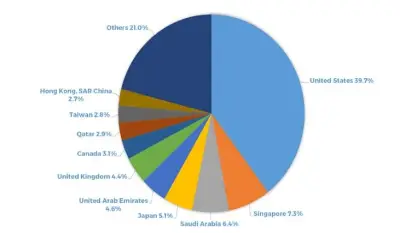
Data from the Department of Foreign Affairs estimates that approximately 2.4 million Filipinos are living and working across the Middle East, with significant concentrations in Saudi Arabia and the United Arab Emirates. Earlier figures from the Foreign Service Institute indicated that about 2.1 million Filipino migrants were already in the region as of 2024, with roughly three percent—approximately 60,000 individuals—being undocumented workers.
Maps released by the Institute for the Study of War show that the majority of recent military strikes have been concentrated inside Iran and along coastal areas of the Persian Gulf. This strategic corridor includes Bahrain, Kuwait, Iraq, Oman, Qatar, Saudi Arabia, and the UAE—regions with substantial Filipino populations.
Impact on Filipino Workers
The intensifying conflict has already affected several Filipinos in the region. At least one Filipino has been confirmed dead, while more than a hundred others have been repatriated to the Philippines so far. Government agencies continue to coordinate evacuation and assistance efforts as the situation remains fluid and unpredictable.
Officials have warned that further escalation in the Middle East could place thousands of overseas Filipino workers at risk, underscoring the urgency of comprehensive safety measures and evacuation plans. The contrasting perspectives between Vice President Duterte's criticisms and the administration's outlined response highlight the ongoing challenges in protecting Filipino nationals during international crises.