Trump Issues Tariff Warning Against South Korea Over Trade Deal Dispute
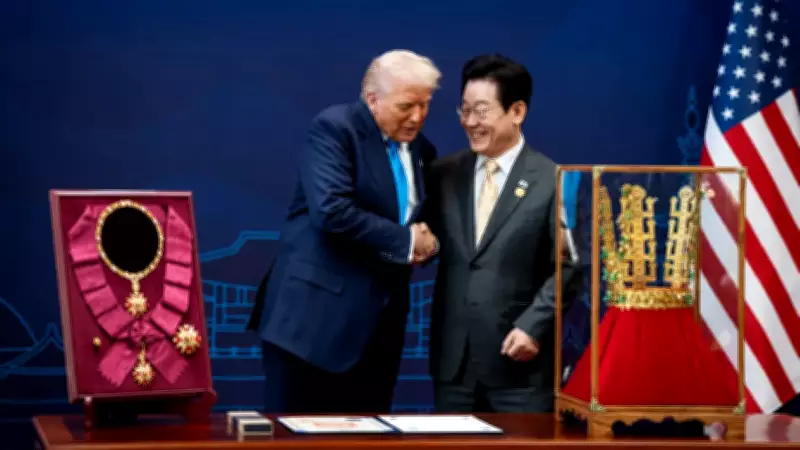
In a significant trade policy move, U.S. President Donald Trump has publicly threatened to impose higher tariffs on a range of products imported from South Korea. This announcement, made on January 27, 2026, targets key sectors including automotive, lumber, and even pharmaceutical products, escalating tensions between the two longstanding allies.
Details of the Proposed Tariff Increase
According to President Trump, the tariff rate on South Korean goods could surge from the current 15% to a substantial 25%. He attributed this potential hike to what he described as South Korea's failure to fully implement a recent trade agreement, often referred to as a "trade pack," with the United States. Trump emphasized that this action is a direct response to Seoul's perceived non-compliance, though specific details of the alleged shortcomings were not elaborated upon in his statement.
South Korea's Calm Response and Economic Implications
In reaction to the threat, the presidential office of South Korea issued a measured response, noting that they had not received prior notification from the U.S. regarding these plans. Officials stressed their commitment to remaining calm and reiterated their dedication to upholding the existing trade agreement with America. Economically, the stakes are high for South Korea, as approximately 27% of its total exports to the U.S. come from the automotive industry, with nearly half of the country's car exports destined directly for the American market.

If the higher tariffs are enacted, South Korean exports could face a competitive disadvantage compared to other major trading partners like Japan and the European Union, both of which currently benefit from a 15% tariff rate under their respective agreements with the U.S. This shift might lead to a decline in Seoul's export volumes, potentially impacting its economic growth and trade balance.
Uncertainty and Broader Trade Context
Despite Trump's strong statements, the U.S. administration has yet to release any formal notice to officially implement these tariff changes, leaving businesses and policymakers in a state of uncertainty. This latest threat against South Korea is part of a broader pattern of warnings from Trump targeting America's key trading partners in recent days, highlighting ongoing trade tensions and the volatile nature of international economic relations under his leadership.
As the situation develops, stakeholders are closely monitoring for further updates, which could have ripple effects across global supply chains and diplomatic ties. The outcome may influence future trade negotiations and economic strategies for both nations involved.