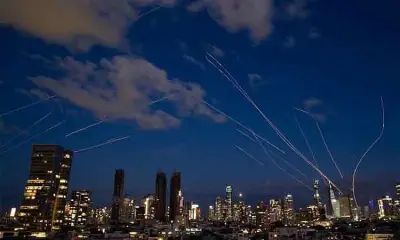
The Catholic Bishops' Conference of the Philippines (CBCP) has called on religious institutions to consider organizing activities that demonstrate solidarity with those in need, the poor, and vulnerable sectors as the Middle East conflict continues to escalate. In a pastoral statement released on Thursday, May 21, 2026, CBCP President Archbishop Gilbert Garcera highlighted that such acts of bayanihan were already evident during the coronavirus disease (Covid-19) pandemic years ago.
Concrete Expressions of Solidarity
Archbishop Garcera urged the faithful to show concrete expressions of Christian solidarity with the poorest and most vulnerable sectors of society, who suffer most from the economic hardships brought about by this global conflict. He specifically mentioned families whose loved ones live or work in areas affected by conflict and instability. The archbishop called for the strengthening of parish-based feeding programs, community pantries, emergency relief efforts, and charitable initiatives for individuals and families burdened by inflation, economic uncertainty, and hardships, following the spirit of compassion and generosity witnessed during the pandemic.
Prayers for Peace
In addition to charitable actions, the CBCP chief announced that all dioceses and parishes in the country are being asked to offer prayers for peace. He appealed to all religious and lay communities to pray for peace not only in the Middle East but also in other conflict-hit areas. Garcera said, "Pray for peace, celebrate the Holy Mass and Eucharistic Adoration, pray the Holy Rosary, and gather in family and community prayer for the gift of peace in the Middle East, in Ukraine, across Africa, and in all parts of the world wounded by war, violence, division, injustice, and human suffering." He further called upon all dioceses, parishes, religious communities, schools, and lay organizations to offer spiritual accompaniment, counseling, practical assistance, and spaces where fear and anxiety can encounter hope, solidarity, and prayer.

Impact on Filipinos
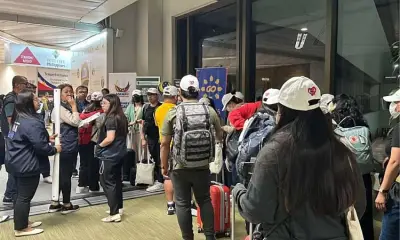
The archbishop emphasized that such actions are necessary as Filipinos are also directly affected by the Middle East conflict through overseas Filipino workers in the region. He noted, "Although distant from our shores, the Middle East crisis is not remote from Filipino lives. Many of our brothers and sisters work in the region as overseas Filipino workers. Their safety, livelihoods, and futures now weigh heavily on their families at home." Garcera also pointed out that Filipinos at home are indirectly affected via rising fuel costs, higher prices for goods, and transportation burdens. He added, "Those who suffer first are the vulnerable: daily wage earners, farmers, fisherfolk, transport workers, the elderly, and families with little savings. Thus, what happens overseas affects the Filipino home, the Filipino table, and the Filipino heart."