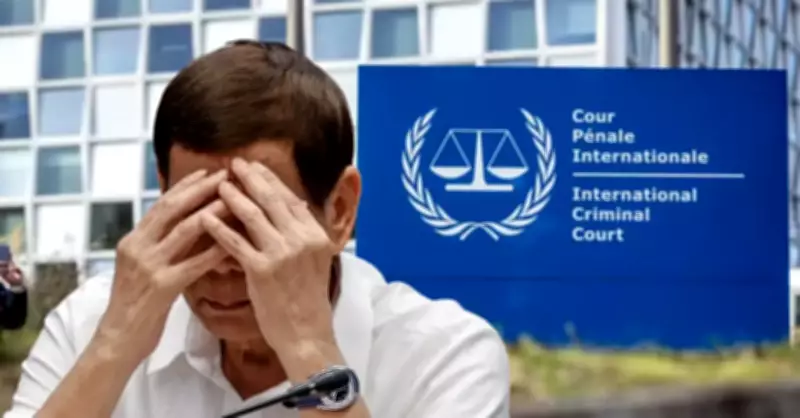
A distinguished panel of international legal experts and prominent figures in the field of law is set to review the jurisdiction challenge filed by former President Rodrigo Duterte with the International Criminal Court (ICC). The Appeals Chamber of the ICC will determine whether the tribunal possesses sufficient authority to proceed with crimes against humanity cases against Duterte, who is considered the first Asian leader potentially detained in The Hague.
Members of the ICC Appeals Chamber
The chamber is presided over by Luz del Carmen Ibáñez Carranza of Peru, who serves as the presiding judge. Before joining the ICC, she worked as a senior national prosecutor handling cases related to terrorism, human rights violations, and crimes against humanity. She is also actively involved in programs assisting victims, including efforts to locate missing persons and rehabilitate those affected by violence.
Tomoko Akane of Japan
Tomoko Akane of Japan, another member of the panel, began her career as a public prosecutor in 1982 and rose through the judicial ranks to become part of her country's Supreme Public Prosecutor's Office. She has extensive experience in criminal justice and has served as a professor at law schools in Japan.

Solomy Balungi Bossa of Uganda
Solomy Balungi Bossa of Uganda has served in various international courts, including the International Criminal Tribunal for Rwanda and the African Court of Human and Peoples' Rights. She is also known as a human rights advocate prior to becoming a judge.
Erdenebalsuren Damdin of Mongolia
Erdenebalsuren Damdin of Mongolia brings over three decades of experience as a judge, prosecutor, and defense counsel. He has been part of the Supreme Court of Mongolia and contributed to reforms in his country's criminal justice system.
Gocha Lordkipanidze of Georgia
Gocha Lordkipanidze of Georgia, a former justice minister, diplomat, and expert in international law, is also included in the Appeals Chamber. His role was crucial in negotiations that led to the establishment of the Rome Statute, the treaty that founded the ICC.
Implications of the Decision
The decision of the Appeals Chamber is expected to set a precedent on whether the ICC can continue hearings on cases against Duterte, particularly allegations of widespread human rights violations. The ruling may also have broad implications not only for the Philippines but also for the international justice system as a whole, potentially influencing future jurisdictional challenges and global legal standards.