ICC Appeals Chamber Denies Duterte's Release, Upholds Jurisdiction Over Drug War Case
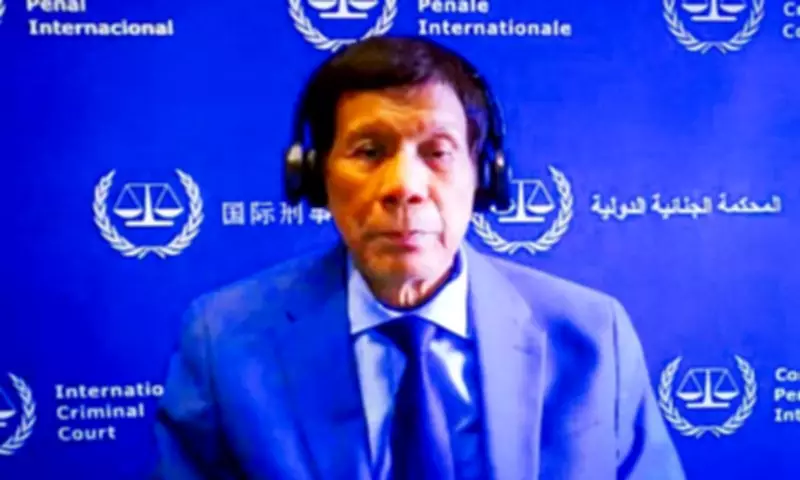
Former President Rodrigo Duterte will remain in the custody of the International Criminal Court (ICC) after the Appeals Chamber declared his request for interim release as moot. In a proceeding held on Wednesday, April 22, 2026, at The Hague, the five-member chamber rejected all four arguments presented by Duterte's defense team challenging the court's jurisdiction over his case.
Jurisdiction Affirmed Over Crimes Committed During ICC Membership
The Appeals Chamber, presided over by Judge Luz del Carmen Ibáñez Carranza, firmly maintained that the ICC retains jurisdiction over crimes committed in the Philippines by a Filipino citizen during the period when the country was a member of the Rome Statute. The Philippines was a signatory to the treaty from November 1, 2011, until March 17, 2019, following Duterte's order to withdraw.
Other members of the chamber included Judge Tomoko Akane, Judge Solomy Balungi Bossa, Judge Gocha Lordkipanidze, and Judge Erdenebalsuren Damdin. With jurisdiction now settled, the case will proceed to the next procedural phases under ICC rules, which include the confirmation of charges. If approved, this will lead to a formal trial.

Arrest and Charges Stemming from Drug War Allegations
Duterte was arrested on March 11, 2026, based on an ICC arrest warrant issued amid an ongoing investigation into alleged crimes against humanity. These crimes are linked to the implementation of his drug war from 2011 to 2019, during his tenure as mayor of Davao City and later as President of the Philippines. He was immediately flown to the Netherlands via private jet for turnover to the ICC.
The former President faces charges of murder and attempted murder involving at least 78 victims during his aggressive campaign against illegal drugs. The ICC's investigation focuses on the widespread allegations of human rights violations associated with this period.
This development marks a significant step in the international legal proceedings, as the ICC asserts its authority over cases tied to its member states, regardless of subsequent withdrawals. The case continues to draw global attention, highlighting the ongoing scrutiny of Duterte's controversial drug war policies.