ICC Appeals Chamber Outlines Schedule for Duterte's Detention Appeal
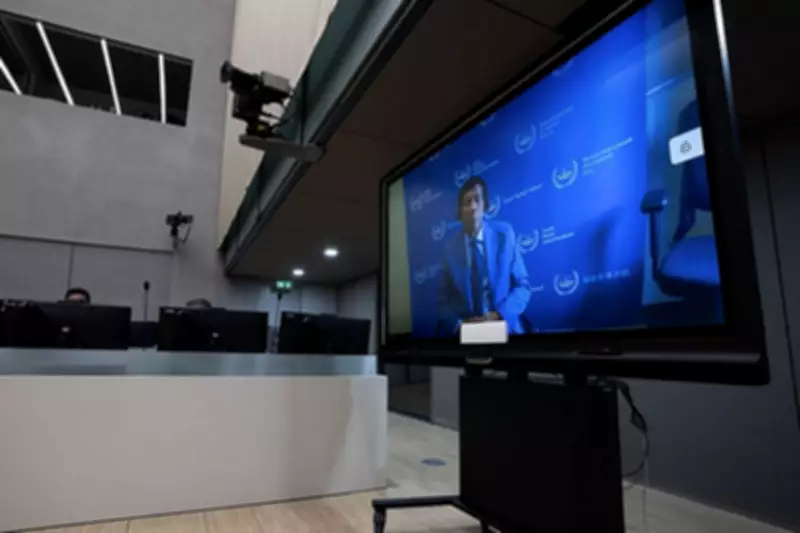
The International Criminal Court (ICC) Appeals Chamber has formally established the procedural timeline for former Philippine President Rodrigo Duterte's appeal concerning his ongoing detention at The Hague facility. This development marks a significant step in the high-profile international legal proceedings against the former leader.
Written Submission Process Adopted for Efficiency
In a public document released on January 29, 2026, the Appeals Chamber, under the leadership of Presiding Judge Luz del Carmen Ibáñez Carranza, determined that the appeal would proceed exclusively through written submissions rather than oral hearings. The court described this approach as an efficient method tailored to the "specific circumstances of the present case."
The chamber has implemented a strict filing schedule with clear deadlines for all parties involved:

- Duterte's defense team must submit their appeal brief by Thursday, February 5, 2026
- The deputy prosecutor and legal representatives of the victims have until Thursday, February 12, 2026 to file their responses
- All submissions are strictly limited to a maximum of 20 pages each
"The Defense for Mr Rodrigo Roa Duterte shall file an appeal brief in the above-mentioned appeal not exceeding 20 pages by Thursday, 5 February 2026," stated the appeals chamber order. "The Deputy Prosecutor and the Legal Representatives of the Victims may file responses to the appeal brief not exceeding 20 pages by Thursday, 12 February 2026."
Background of the Detention Challenge
This appeal follows the January 26, 2026 decision by ICC Pre-Trial Chamber I that sustained Duterte's detention status, a ruling that his legal team is now challenging before the Appeals Chamber. The 80-year-old former president has been in ICC custody in The Hague since March 2025 following an arrest warrant issued by the court's Pre-Trial Chamber I.
Duterte faces serious allegations that policies and actions during his tenure as both Davao City mayor and Philippine president, particularly those related to the controversial "war on drugs" campaign, amount to crimes against humanity under international law.
Previous Legal Developments and Ongoing Challenges
In late 2025, the Appeals Chamber rejected Duterte's bid for interim release, dismissing all three grounds presented by his defense team. The chamber confirmed the earlier pre-trial ruling that maintained his detention based on determinations that he remains a flight risk and could potentially obstruct court proceedings if released.
Separately, Duterte's defense has mounted challenges to the court's jurisdiction, arguing that the ICC lacks authority after the Philippines formally withdrew from the Rome Statute. However, ICC judges have consistently upheld jurisdiction, noting that the prosecutor's investigation began while the country remained a member of the international court.
Another significant legal front involves questions about Duterte's fitness to stand trial. His legal representatives have argued that cognitive impairments should delay proceedings, but the ICC has thus far relied on independent expert assessments in determining his capacity to participate meaningfully in the legal process.
Next Steps in the Legal Proceedings
Despite the ongoing appeal regarding detention, ICC officials have indicated that the confirmation of charges hearing for Duterte's case will proceed as scheduled, even while the appeal remains pending before the Appeals Chamber. This confirmation hearing represents a critical juncture in the proceedings, where judges will assess whether sufficient evidence exists to substantiate each allegation against the former president and determine whether the case should advance to a full trial phase.
International legal observers note that this evolving legal battle carries implications extending beyond Duterte's personal circumstances. The case has sparked broader debates concerning international criminal jurisdiction, questions of state sovereignty, and mechanisms for accountability regarding alleged human rights violations on the global stage.