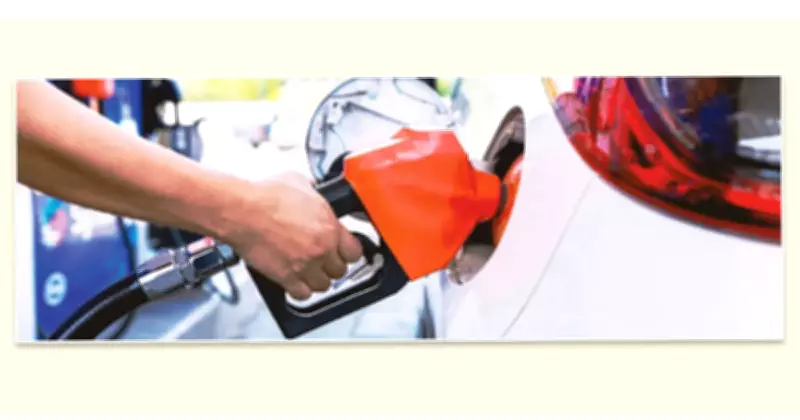
Fuel Prices Surge in Philippines: Government Urges Conservation Amid Global Volatility
With fuel prices climbing once again, numerous Filipino motorists are experiencing significant financial pressure every time they visit the pump. According to the latest data from the Department of Energy, gasoline prices across the nation currently range from approximately P59 to P76 per liter, depending on the specific grade. Meanwhile, diesel prices in certain regions may surpass P70 per liter, adding to the economic strain on consumers and businesses alike.
Global Market Instability Drives Local Costs
Persistent volatility in the global oil market continues to directly impact local fuel expenses, compelling the Philippine government to actively promote fuel conservation initiatives. Both public agencies and private motorists are being encouraged to adopt more efficient practices to mitigate the effects of these rising costs. In response to the ongoing situation, the Department of Energy has issued a directive advising government offices to reduce their fuel consumption by at least 10 percent as part of comprehensive energy management efforts.
While individual motorists cannot control international oil prices, implementing minor adjustments to driving habits and daily routines can significantly extend the mileage obtained from each liter of fuel. Here are several practical and effective strategies to conserve gasoline during these unpredictable times.

Drive Smoother, Not Faster
Aggressive driving behaviors, including sudden acceleration, hard braking, and frequent speeding, force engines to consume more fuel unnecessarily. Maintaining a consistent speed and anticipating traffic flow can enhance fuel efficiency, particularly during highway travel or longer journeys.
Plan Your Trips Wisely
Multiple short trips typically result in higher gasoline usage compared to a single, consolidated outing. Engines tend to burn more fuel during startup and warm-up phases, so combining errands into one efficient route can help minimize unnecessary fuel expenditure.
Check Your Tire Pressure Regularly
Underinflated tires create increased resistance on road surfaces, requiring engines to work harder and use more fuel. Ensuring tires are properly inflated is one of the simplest methods to boost fuel efficiency while simultaneously enhancing overall driving safety.
Lighten the Load
Additional weight directly elevates fuel consumption. The heavier the vehicle, the more effort the engine must exert. Removing non-essential items from your car can improve mileage, especially for smaller vehicles.
Look for Fuel Discounts and Loyalty Programs
Many fuel companies provide loyalty cards, promotional discounts, or special pricing days. Staying informed about legitimate offers and promotions can help reduce overall fuel expenses over time.
Drive Less When Possible
Sometimes the most straightforward approach to saving fuel is to use less of it. Carpooling with colleagues, occasionally utilizing public transportation, or scheduling errands more efficiently can substantially decrease weekly gasoline costs.
Escalating fuel prices are frequently driven by global events beyond the control of local motorists. However, modest adjustments in daily driving habits can collectively make a significant difference, helping each liter of fuel last longer and easing the financial burden on Filipino households.