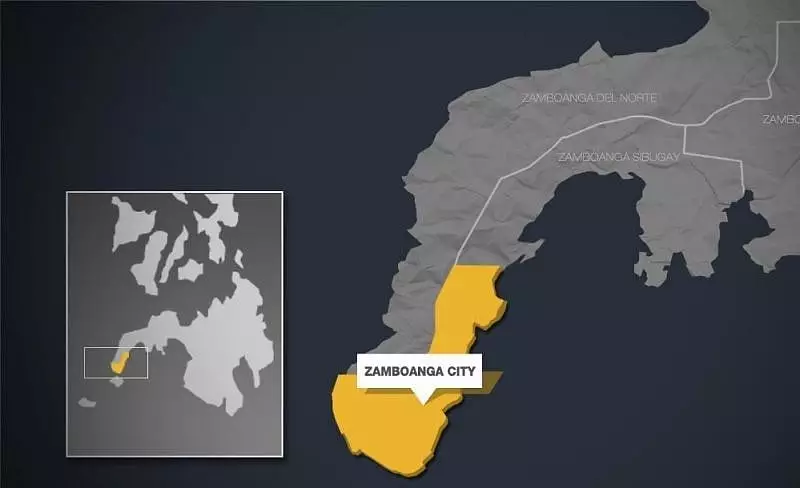
In a significant step towards supporting the agricultural community, members of two irrigators associations in Zamboanga City recently participated in a dedicated seminar focused on mental health awareness.
Empowering Farmers with Mental Health Tools
The one-day seminar, held on Thursday, November 13, was organized for the Dumalon Irrigators Association (IA) and the Macaja IA. According to Nurlinda Amil, the acting administrative officer of the National Irrigation Administration (NIA) Zambasulta regional sub-office, the event aimed to fortify the mental well-being of its members.
Amil, who facilitated the session, stated that the core objectives were to raise awareness about mental health challenges and encourage farmers to take proactive steps in maintaining their emotional balance. This focus extends to their work in the fields, their lives at home, and their roles within the wider community.

Practical Strategies for Emotional Resilience
The seminar delved into practical and applicable topics to equip farmers with everyday tools. Discussions centered on effective stress management techniques and the process of building emotional resilience.
Participants were also taught how to recognize the early signs of mental strain and were strongly encouraged about the importance of seeking professional help when needed. Amil emphasized that positive thinking and cultivating strong support systems among family and fellow farmers are crucial components for sustaining good mental health.
This initiative provided a safe and supportive space for reflection, allowing the irrigators association members to better understand the vital connection between their psychological well-being and their capacity for productive farm work.
A Collaborative Effort for Community Well-being
The seminar was a team effort, with Institutional Development Officers Femie Jhay Maatubang and Janica Montejar-Basilio assisting Amil in facilitating the event. This collaborative approach by the NIA highlights a growing recognition of the unique pressures faced by those in the agricultural sector and the importance of providing them with holistic support.