LTFRB-Davao Takes Action Against Taxi Operator and Driver Following Viral Sexual Abuse Video
The Land Transportation Franchising and Regulatory Board–Davao Region (LTFRB-Davao) has formally issued a show-cause order against a taxi operator and driver in response to a disturbing video that circulated online. The footage allegedly shows a passenger being sexually abused inside a taxi, sparking widespread public outrage and concern across the region.
Official Statements and Upcoming Hearing
During the Kapihan sa PIA event held on Friday, January 23, 2026, at NCCC Mall Maa, Deanne Aubrey Salcedo, the legal section assistant of LTFRB-Davao, confirmed the regulatory action. Salcedo announced that a hearing regarding the alleged harassment is scheduled for January 26, 2026. She explained the agency's procedural steps, stating, "As part of our process, we have already issued a show-cause order. After that, we will hold a hearing, and following the hearing, the regional office will evaluate the case and impose penalties if necessary."
Salcedo further noted that the LTFRB-Davao is actively verifying information related to the incident and has made contact with the individuals involved. She emphasized the sensitivity of the case and the importance of thorough investigation.

Details of the Alleged Incident from the Victim
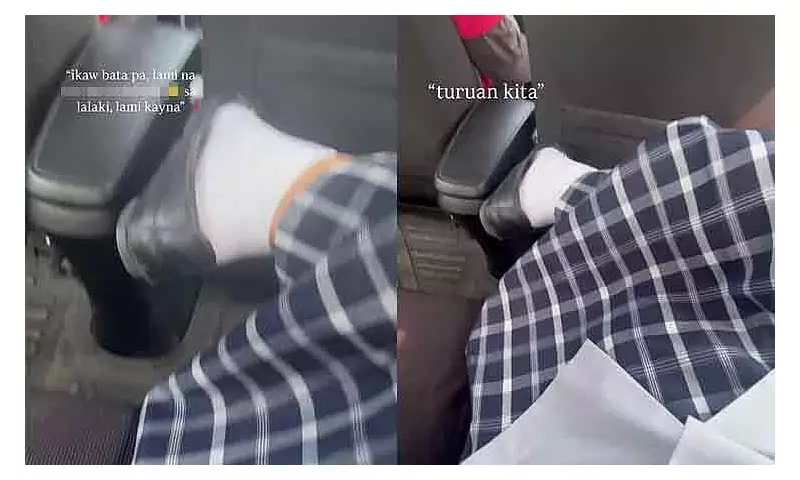
The incident gained significant attention after a video went viral on social media platforms, depicting a student allegedly being harassed inside a taxi. The video generated thousands of reactions and shares, highlighting the severity of the situation.
In a detailed Facebook post, the victim recounted her traumatic experience. She explained that she boarded the taxi outside her school, and the driver initially engaged her in casual conversation. However, the interaction quickly turned inappropriate when the driver began commenting on her weight and asking intimate questions. Despite her attempts to ignore these advances, the situation escalated as the driver requested her phone number and expressed a desire for a sexual relationship.
The victim described her fear, saying, "My hands were literally shaking and finally I was able to breathe na. I waited until makaalis na yung taxi sa area and I ran agad sa guard house to get the details of the driver." She managed to obtain the driver's plate number and name from a guard house after the taxi departed.
She has reported the incident to authorities but has not yet received updates on whether the driver has been located. By sharing her story online, she aims to raise awareness among students and minors about potential dangers.
Potential Penalties and Regulatory Coordination
Oscar Don A. Zamora, head of the Davao City North District Office of the Land Transportation Office (LTO), stated that drivers allegedly involved in sexual harassment will be summoned for investigation. He indicated that sanctions or penalties will be imposed based on office discussions, with the highest possible penalty being the revocation of the driver's license. This revocation would prevent the individual from reapplying for several years, and if allowed to reapply, the licensing process would start from the beginning.
Emphasis on Driver Conduct and Operator Accountability
Salcedo stressed that taxi operators have a critical responsibility to ensure the drivers they hire possess clean records and demonstrate proper behavior before permitting them to operate. Operators should prioritize drivers who show courtesy and respect to passengers to prevent such incidents.
"If any incident occurs, the operator will be held liable by the LTFRB," she warned. In coordination with the LTO, the agency will also impose penalties on the driver involved to uphold safety standards.
Salcedo added that taxi operators in Davao follow a system designed to prevent drivers from transferring between companies without clearance. This system includes checking drivers' records for pending liabilities or cases, which helps mitigate the risk of similar incidents occurring in the future.