Davao City Lawmakers Voice Strong Opposition to Barzaga Suspension Extension
Several prominent lawmakers from Davao City, including members of the influential Duterte family, have publicly expressed their firm opposition to the proposed extension of the suspension against Cavite 4th District Representative Francisco "Kiko" Barzaga. In a significant political development, these legislators have issued a formal warning that such a move could seriously undermine the fundamental principles of voters' representation and constitutionally protected free speech within the Philippine democratic system.
Formal Letter of Opposition Submitted to House Leadership
In a strongly worded letter dated February 4, 2026, and addressed directly to Speaker Faustino "Bojie" Dy II, the Davao City lawmakers officially registered their negative vote regarding the reported extension being pushed against Representative Barzaga. The document was signed by Davao City 1st District Representative Paolo Z. Duterte, 2nd District Representative Omar Vincent S. Duterte, 3rd District Representative Isidro T. Ungab, and PPP Party-list Representative Harold James T. Duterte, demonstrating a unified front from the southern Philippine region.
The lawmakers explicitly stated in their correspondence, "We express our strong opposition to the reported extension of suspension being pushed against Rep. Kiko Barzaga." The letter was also formally furnished to Majority Leader and Committee on Rules Chair Ferdinand Alexander A. Marcos and House Secretary General Cheloy Velicaria-Garafil, ensuring the message reached key decision-makers within the House of Representatives.

Defending Voter Mandate and Democratic Principles
The Davao legislators presented a compelling argument centered on democratic representation, asserting that the decision of a few members of the House Ethics Committee should not override the will of Barzaga's constituents. Their letter emphasized, "A handful of members of the House Ethics Committee should not supersede the will of the thousands of voters who elected him to represent the 4th District of Cavite." They further reinforced this position by adding that "his mandate comes from the people, not from the shifting sensibilities of a few colleagues."
Beyond representation concerns, the lawmakers highlighted constitutional protections, stressing that "Rep. Barzaga's right to free expression is constitutionally protected" and that "political speech, especially when it is critical, sharp, or uncomfortable, is not a punishable offense in a democratic society." They argued that any party feeling aggrieved by Barzaga's statements should pursue legal remedies through proper judicial channels, noting that "the courts of law are the proper venue, not the House Ethics Committee acting as arbiter of acceptable opinion."
Commitment to Plenary Opposition and Warning Against Abuse
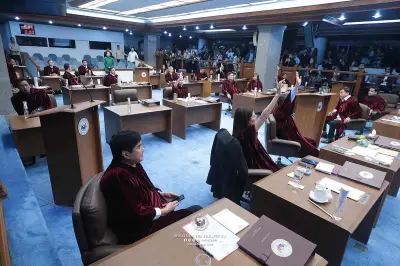
The Davao City lawmakers made their position unequivocally clear regarding potential plenary proceedings, stating, "If this committee decision is brought to the plenary for approval, we strongly object and register a NO vote." They issued a stern warning against the potential misuse of disciplinary measures within the legislative body, asserting that "disciplinary powers must never be used to silence dissent or override the democratic choice of the people."
Background of Barzaga's Suspension
This opposition comes following the House Committee on Ethics and Privileges' recent decision to impose another 60-day suspension on Representative Barzaga on Wednesday, February 4, after finding he had violated conditions from the initial phase of his suspension. The Cavite lawmaker was previously suspended by the House of Representatives after the ethics committee determined he was liable for conduct deemed unbecoming of a member, stemming from remarks considered offensive and defamatory against another individual.
The strong stance taken by Davao City lawmakers introduces a significant regional dimension to this national political controversy, potentially influencing how disciplinary measures are applied to elected officials who face allegations related to their public statements and political speech.