Supreme Court Continues Scrutiny of Unprogrammed Funds in National Budgets
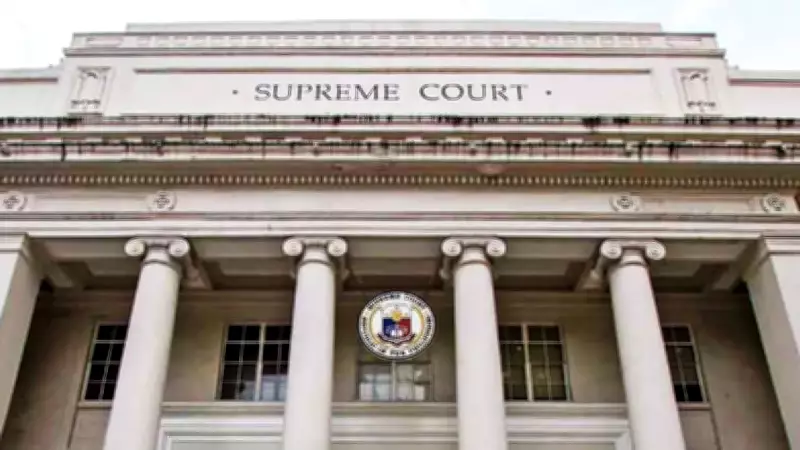
The Supreme Court of the Philippines resumed its critical examination of unprogrammed funds on Tuesday, April 21, 2026, as it conducted the second round of oral arguments on petitions questioning the legality of these allocations in national budgets from 2024 to 2026. This session marks a pivotal moment in the ongoing judicial review of alleged insertions in government spending plans.
Expert Testimony and Government Representation
Former Albay governor and congressman Joey Salceda is anticipated to provide his insights as an amicus curiae, offering expert analysis on the complex issues presented to the court. His testimony is expected to shed light on the budgetary processes and constitutional implications at stake.
Additionally, Solicitor General Darlene Marie Bernabe, representing the government, has requested the attendance of representatives from the Department of Budget and Management (DBM) and the Planning and Development Department (DepDev) to ensure a comprehensive discussion of the matters under review.

Key Petitions Under Consideration
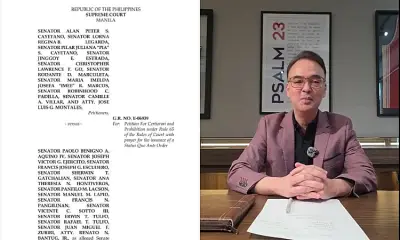
The oral arguments encompass several significant petitions, including one filed by former Albay 1st District representative Edcel Lagman and others. This petition seeks to declare unconstitutional the P448.5-billion bicameral insertion in the 2024 General Appropriations Act (GAA), highlighting concerns over procedural irregularities.
Another petition challenges the 2025 budget, specifically focusing on the increase in the special road fund of the Department of Public Works and Highways (DPWH) from P16.756 billion to P34.748 billion, raising questions about fiscal transparency and allocation justifications.
Furthermore, the court is addressing a petition submitted by Caloocan 2nd District Representative Edgar Erice and Mamamayang Liberal Representative Leila de Lima, which calls for the declaration of the 2026 unprogrammed appropriations as illegal, emphasizing the need for adherence to constitutional budget frameworks.
Broader Implications for Governance
This judicial proceeding underscores the importance of accountability and legality in government budgeting. The outcomes of these arguments could set precedents for how unprogrammed funds are managed and scrutinized in future fiscal years, potentially influencing legislative and executive practices.
As the Supreme Court deliberates, stakeholders from various sectors are closely monitoring the developments, recognizing the potential impact on public trust and financial governance in the Philippines.