A scathing critique of the economic disparity between the nation's lawmakers and ordinary Filipinos has erupted, fueled by recent disclosures from within the House of Representatives itself. The controversy centers on the additional bonuses and perks received by congressmen, starkly contrasted against the daily struggle of minimum wage earners.
"Mahiya Naman Kayo": The Call for Shame from Within
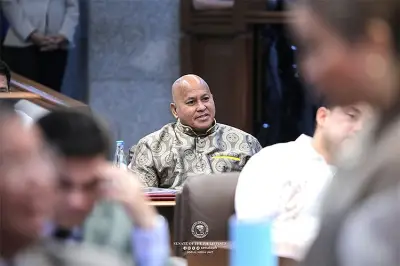
The damning revelation came from the ranks of the House. Congressmen Ronnie Puno, Kiko Barzaga, and Leandro Leviste reportedly exposed the practice of their colleagues receiving bonuses during breaks, such as for Christmas and the Lenten season. These are on top of their official monthly salary, which exceeds three hundred thousand pesos. The sentiment, as echoed in the critique, is a direct call for accountability: "Mahiya naman kayo" (Have some shame).
This has prompted pointed questions toward the administration: "Ano ba President BBM? Bakit wala pang naka-kulong na big fishes?" The contrast is drawn sharply with the reality of the common worker, whose daily minimum wage hovers around seven hundred pesos—a figure utterly dwarfed by the financial takings of many in politics.

A Nostalgic Look at a More Affordable Past
The narrative delves into a personal recollection to highlight the drastic inflation and eroded purchasing power. The author recalls a childhood where five centavos was sufficient baon (allowance), allowing for a boiled sweet potato and a hopiang mungo. A daily wage of four pesos could meet the basic needs of a family of five to eight.
Life was simpler and more affordable:
- A plate of pancit luglog in Angeles City's San Nicolas market cost ten centavos.
- A round-trip bus ticket from Angeles to Manila was eighty-five centavos.
- A child's movie ticket was fifteen centavos.
- College tuition at the University of Santo Tomas was one hundred five pesos per semester.
- Board and lodging in Manila could be had for forty pesos a month.
This past stands in stark opposition to the present, where the author laments that a salary now only covers basics like noodles and sardines, with even dried fish becoming a luxury.
The Present Struggle and Government's Response
Today, many Filipinos are in "survival mode." The government, particularly the majority in the House of Representatives, is criticized for showing inflexibility in enacting a law for higher wages. Regional wage board decisions are seen as inadequate, failing to address the workers' "hue and cry" against the continuously rising prices of basic commodities.
The frustration reached a boiling point with a comment from Trade Secretary Cristina Roque, who suggested that a family of four could enjoy a Noche Buena last Christmas with five hundred pesos. This remark was met with widespread public derision, underscoring the perceived disconnect between officials and the grim economic realities on the ground.
The core issue remains: while millions of families can barely make ends meet, the revelations of legislative perks have intensified calls for transparency, empathy, and genuine economic reform from the country's leaders.