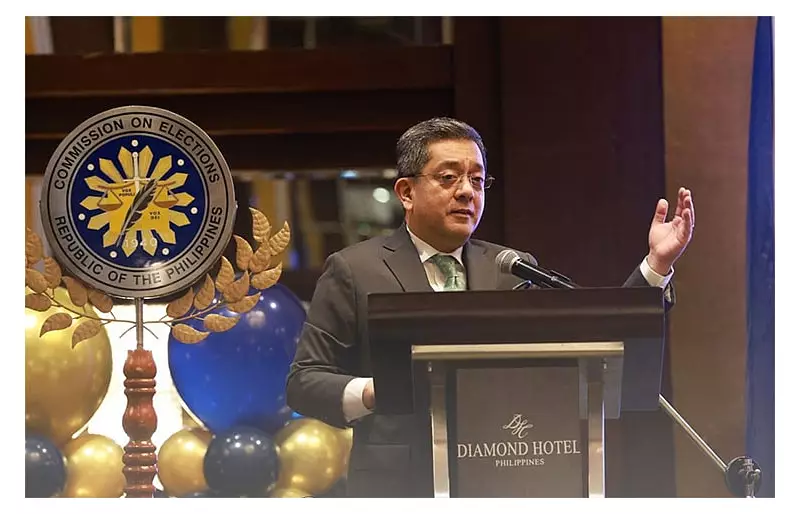
The Commission on Elections (Comelec) has thrown its full weight behind a renewed legislative effort in the Senate to crack down on so-called "epal" or credit-grabbing politicians. Comelec Chairman George Garcia announced the commission's support for the proposed measure, stating it would be a powerful tool in combating Abuse of State Resources (ASR), a practice he directly linked to vote-buying.
Comelec's Strong Endorsement Against ASR
During a media briefing on January 20, 2026, Chairman Garcia expressed unequivocal support for Senate Bill 1445, filed by Senator Erwin Tulfo. The bill seeks to ban politicians from taking part in the distribution of any form of government assistance to the public. Garcia emphasized that such initiatives are crucial for limiting public expenditure and, more importantly, for preventing the misuse of government resources for electoral gain.
"We support any initiative to limit public expenditure and, at the same time, the abuse of state resources, because that is often tantamount to vote buying," Garcia stated in Filipino. He explained that the passage of this law would prohibit politicians from being present during aid distributions, significantly aiding the poll body's enforcement efforts.

Operational Impact on Comelec's Anti-Giving Committee
Garcia highlighted that the proposed law would greatly assist the work of the Comelec's Committee on Kontra Bigay. This committee is already actively enforcing prohibitions on certain types of government assistance during the election period to prevent undue influence on voters.
"That is a big help to Comelec's efforts, especially since we have a Committee on Kontra Bigay," he said. "We prohibit the giving of AICS, MAIFIP, Akap, and other forms of assistance, except for burial assistance. This is very important to us in the fight against the abuse of state resources."
Defining the Problem: What is Abuse of State Resources?
Abuse of State Resources, or ASR, is a broad term covering the misuse of any government asset to secure an electoral advantage. This includes, but is not limited to:
- Material and budgetary resources
- Human resources and regulatory power
- Media access and legislative processes
Senator Tulfo's bill directly targets a visible manifestation of this abuse: politicians personally handing out government aid to curry favor with potential voters, a practice colloquially known as "epal."
A Legislative Step for Fairer Elections
The revival of the anti-epal measure in the Senate, now with the formal backing of the country's election commission, marks a significant step in the ongoing effort to level the playing field in Philippine elections. By seeking to remove politicians from the distribution process, the law aims to ensure that government assistance is seen as a public service, not a personal favor from a candidate.
Chairman Garcia's clear stance reinforces the Comelec's commitment to policing ASR as a fundamental component of ensuring free, fair, and honest elections. The success of this legislative bid could redefine campaign rules and reduce the influence of state machinery in future electoral contests.