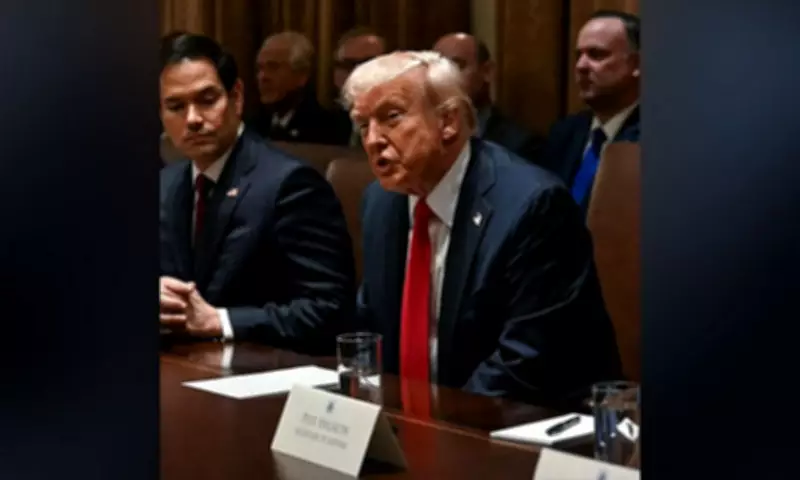
In a significant announcement, President Donald Trump of the United States declared on Wednesday, April 1, 2026, that American military forces will withdraw from Iran within the next two to three weeks. The statement was made during a press briefing at the White House, where Trump emphasized the lack of justification for continued presence.
Rationale for Withdrawal and Energy Market Impact
When questioned about his strategy to reduce soaring gasoline and crude oil prices, Trump directly linked the issue to the Iran conflict. He asserted, "All I have to do is leave Iran, and we'll be doing that very soon, and they'll become tumbling down." This comment highlights the administration's belief that disengagement could stabilize global energy markets, which have been under severe pressure due to prolonged hostilities.
Conflicting Statements and Negotiation Prospects
Trump has faced intense scrutiny from energy market volatility and business concerns over the enduring conflict, issuing multiple contradictory statements about the war's timeline since major US and Israeli attacks on Iran began on February 28. However, he indicated that the United States and Iran are currently engaged in negotiations, suggesting a potential swift resolution if an agreement is reached.

"It's possible that we'll have a deal because they want to make a deal. They want to make a deal more than I want to make a deal. But in a fairly short period of time, we'll be finished," Trump explained. He added, "Now we have a group of people that's very -- that are very different. They're much more reasonable," implying a shift in diplomatic dynamics.
Shift in Security Responsibilities
Trump reiterated that the responsibility for reopening the Strait of Hormuz and securing this critical global energy passageway now falls on other nations. He stated, "If France or some other country wants to get oil or gas, you go up through the strait and -- the Hormuz Strait -- they'll go right up there and they'll be able to fend for themselves." This marks a notable change in US foreign policy, potentially altering international security arrangements in the region.
The announcement comes amid ongoing tensions and could have far-reaching implications for Middle East stability and global economic conditions, as stakeholders monitor developments closely.