House Justice Committee Greenlights Impeachment Proceedings Against VP Sara Duterte
The House Committee on Justice has cleared a critical path for full-scale impeachment proceedings against Vice President Sara Duterte, approving two formal complaints that allege serious offenses including misuse of funds and constitutional violations. This decision sets the stage for public hearings commencing on March 25, 2026, representing a significant escalation in the ongoing political and legal confrontation surrounding the Vice President.
Allegations and Committee Decision
Led by Batangas Representative Gerville "Jinky Bitrics" Luistro, the committee concluded its preliminary review on Wednesday, March 18, 2026, ruling that there are sufficient grounds to advance with hearings on the third and fourth impeachment complaints filed against Duterte. This move transitions the process from a validity assessment to a comprehensive evidentiary phase, where evidence and witnesses will be rigorously presented and examined.
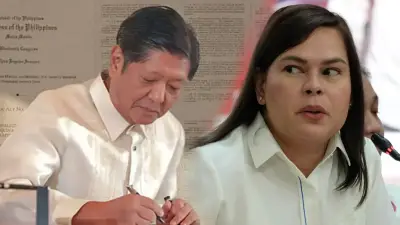
The complaints, endorsed by various lawmakers, outline a range of grave accusations. The third complaint, known as the Saballa et al. complaint and backed by Mamamayang Liberal Party-list Representative Leila de Lima, charges Duterte with misusing confidential and intelligence funds, violating the Constitution, and betraying public trust. The fourth complaint, filed by lawyer Nathaniel Cabrera and supported by Manila 6th District Representative Bienvenido "Benny" Abante Jr. and Deputy Speaker Francisco Paolo Ortega V, includes allegations of unexplained wealth, breaches of statements of assets, liabilities and net worth requirements, bribery, and an alleged threat against President Ferdinand Marcos Jr., First Lady Liza Araneta-Marcos, and former Speaker Ferdinand Martin Romualdez.

Hearing Schedule and Procedural Moves
With the determination phase complete, the committee has scheduled initial hearing dates for March 25, April 14, April 22, and April 29, 2026. These sessions are designed to facilitate the presentation of evidence and testimony from witnesses, aiming to establish whether probable cause exists to forward the complaints to the Senate for trial. The committee has also affirmed its authority to continue proceedings during the congressional recess from March 21 to May 3, ensuring no delays from legislative breaks.
Representative Lorenz Defensor, who advocated for the third complaint, stressed the importance of expediency in the impeachment process, arguing that due process necessitates both the swift dismissal of baseless complaints and the accelerated trial of legitimate charges. "If Vice President Duterte is innocent, the complaint should be dismissed so that she won't be inconvenienced and could return to her work," Defensor stated. "And if she is guilty, the complaint should go to trial for the Senate to decide if she should stay in her post or be removed."
Deputy Speaker Ortega echoed this perspective, noting that the announcement of hearing dates signals an end to procedural delays. "Let's start the hearings of the committee so that the people can look at the evidence and hear the witnesses," Ortega said. "The committee has spoken, the dates are set and the Filipino people expect action — not more procedural excuses."
Key Players and Next Steps
The committee has also recorded motions filed by Akbayan Party-list Representative Chel Diokno, including a request for a subpoena duces tecum and a petition for adequate protection for witness Ramil Madriaga, identified as the alleged bagman of the Vice President. These motions will be addressed during the initial hearing on March 25.
As the hearings approach, attention will shift to the evidence presented and the testimonies of witnesses. The committee's role is to evaluate whether the complaints merit further action, while the Senate would ultimately decide on Duterte's removal from office if probable cause is established.

Broader Implications
The impeachment proceedings against Duterte are unfolding amid heightened political tension between her camp and that of President Marcos. The outcome of these hearings could have profound implications for the Marcos administration and the broader political landscape. Supporters of Duterte argue that the complaints are politically motivated, while critics contend that the allegations warrant thorough investigation.
The public hearings will provide a platform for both sides to present their cases, with the transparency of the process expected to play a crucial role in shaping public opinion and influencing the Senate's eventual decision.