The Cebu City Health Department (CCHD) has launched more regulated, transparent, and accessible government-operated water testing services aimed at easing the financial burden on small business owners throughout the city.
New Ordinance Establishes City-Run Laboratory
The City Council approved the proposed ordinance on its third and final reading on November 11, 2025, creating a city-operated water testing laboratory that will become mandatory for businesses seeking sanitary permits. Councilor Alvin Arcilla, who championed the approved measure, highlighted long-standing complaints from micro, small, and medium enterprises (MSMEs) about expensive water testing fees and sometimes unregulated third-party laboratories.
According to Arcilla's report from August 7, approximately 90 percent of local businesses rely on water from Metro Cebu Water District (MCWD), yet many still pay up to P7,000 for mandatory water tests. The new city-managed laboratory will test water for microbiology, physical, chemical, and radiological quality before business owners can obtain their sanitary permits.

Testing Requirements and Business Impact
The sanitary permit serves as a prerequisite for renewing or applying for business permits. Small businesses that source their water supply exclusively from MCWD without secondary or alternative sources will no longer need to undergo Physical and Chemical Water Testing. However, these establishments must still comply with microbiological water testing requirements.
The ordinance strictly mandates that establishments including drinking-water refilling stations, water vending machines, mobile water tank suppliers, and bulk water suppliers undergo initial and periodic examinations. The CCHD will only accept water test results from third-party laboratories accredited by the City Government.
Current Testing Challenges and Solutions
For sanitary permit applications, the CCHD currently conducts two types of water testing: Biological and Physicochemical testing, while the third mandatory test is referred to accredited third-party laboratories. Local businesses using third-party water testers face costs ranging from P3,000 to P7,000 per testing per establishment.
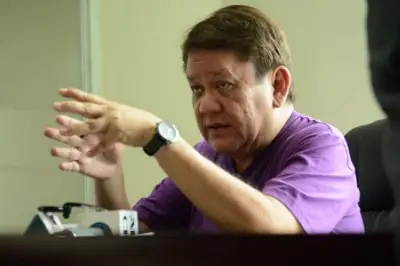
During an Executive Session on August 26, CCHD head Dr. Daisy Villa clarified that the department does not endorse or recommend any private laboratories. She explained that the CCHD previously lacked facilities to require local businesses due to the high cost of testing equipment and materials.
There are at least 20 water testing facilities accredited by the Department of Health in Cebu City, according to Villa. These water tests help prevent water-borne diseases such as Cholera, Typhoid Fever, Amoebiasis, and even poisoning. Food establishments require testing every six months, while non-food establishments need annual testing. Refilling stations and bulk water suppliers must comply with monthly bacteriological and annual physicochemical testing requirements.