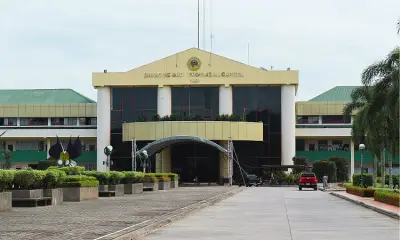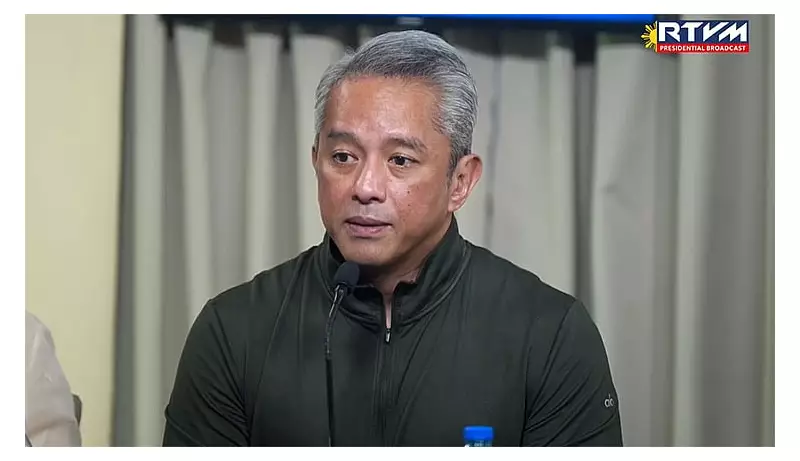
MANILA, Philippines – The Department of the Interior and Local Government (DILG) is mobilizing the public as its frontline watchdogs against a persistent political practice. Secretary Jonvic Remulla has issued a direct appeal to citizens, urging them to report local government officials who continue to interfere improperly in government-funded programs.
Citizen Power Against Political Meddling
In a statement released on January 14, 2026, Remulla reiterated the strict enforcement of the "anti-epal" policy embedded in the 2026 General Appropriations Act (GAA). This policy explicitly bans political involvement in government projects, especially during the distribution of cash aid and other financial assistance. Remulla emphasized that the rules are already in effect and must be followed without exception.
He highlighted that public participation is a critical component in dismantling this deeply ingrained political culture. The secretary provided a straightforward method for reporting violations. "The anti-epal guidelines are already clear, so if politicians commit violations, they can be photographed and posted on Facebook, and we will investigate," Remulla stated.

What the Anti-Epal Rules Strictly Forbid
The guidelines, which align with Commission on Audit (COA) standards, mandate that public project notices should only contain essential, non-partisan information. This includes:
- The project title
- Start date
- Name of the contractor
- Target completion date
The legal backbone for this crackdown is Section 20 of Republic Act No. 12314, the 2026 GAA. This section provides a comprehensive ban on the display of any identifying marks linked to a public official—elected or appointed—on government projects. The prohibition covers:
- Names and pictures
- Images, mottos, and logos
- Color motifs and initials
- Any other symbol associated with an official
This applies to signboards on all government programs, properties, and infrastructure projects.
A New Era of Accountability
This move signals a significant shift towards greater transparency and depoliticization of public service delivery. By empowering ordinary citizens to document and report violations through accessible platforms like social media, the DILG aims to create a powerful deterrent. The call to action transforms every smartphone into a tool for accountability, challenging the traditional practice where politicians claim credit for projects funded by taxpayer money.
The success of this policy now hinges on two factors: the willingness of the public to actively participate as watchdogs, and the government's consistent follow-through on investigating reported violations. This partnership between the state and its citizens is poised to redefine the relationship between politics and public service in the Philippines.