PRO-NIR Mobilizes 74 Police Vehicles to Safeguard Commuters Amid Transport Strike
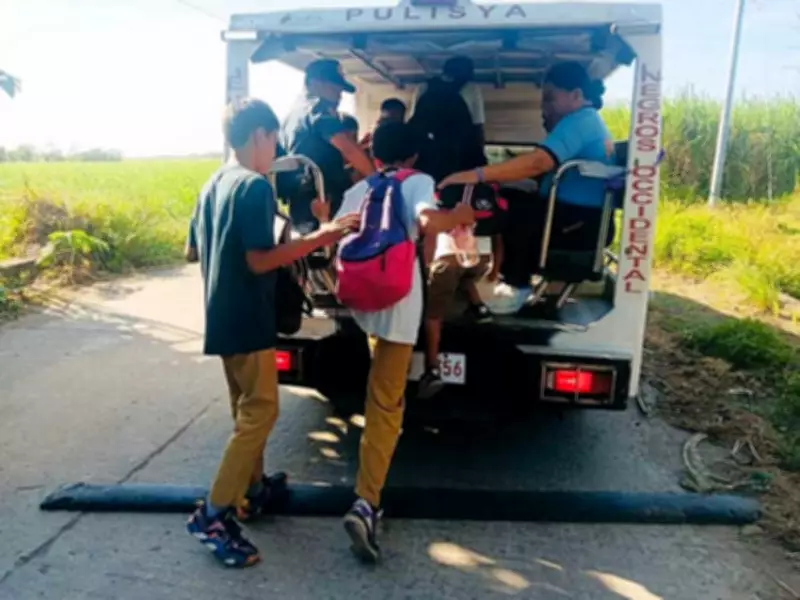
The Police Regional Office in Negros Island Region (PRO-NIR) has taken proactive measures to ensure public safety during the transport strike on March 19, 2026, by deploying a total of 74 police vehicles across the region. This initiative aims to minimize disruptions for commuters affected by the strike, providing essential transportation support.
Libreng Sakay Assistance for Daily Activities
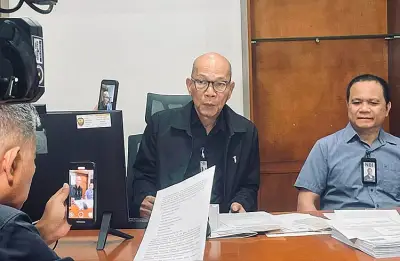
Lieutenant Colonel Joem Malong, chief of the PRO-NIR Public Information Office, confirmed that the police are offering libreng sakay (free ride) assistance to help commuters continue their daily routines with as little interruption as possible. According to Malong, this effort is part of a broader strategy to maintain normalcy and public order during the strike.
The breakdown of vehicle deployment includes:

- Four patrol vehicles from the Bacolod City Police Office (BCPO)
- 32 units from the Negros Occidental Police Provincial Office (NOcPPO)
- Six units from the Siquijor Police Provincial Office (SPPO)
- Four units from the Regional Mobile Force Battalion (RMFB)
- 28 units from the Negros Oriental Police Provincial Office (Norppo)
Heightened Police Visibility and Preparedness
Malong emphasized that while regular police duties will proceed as usual, there will be increased visibility and deployment of officers to uphold peace, order, and public safety throughout the region. This approach ensures that law enforcement remains vigilant and responsive to any potential issues arising from the transport strike.
Brigadier General Arnold Thomas Ibay, director of PRO-NIR, highlighted the agency's full preparedness for the event. "Our Libreng Sakay initiative, supported by 74 police vehicles, reflects our commitment to public service. We assure everyone that our personnel remain on full alert to ensure safety, security, and order throughout the region," Ibay stated.
He further reinforced PRO-NIR's unwavering dedication to serving and protecting the community at all times, underscoring the importance of such measures during periods of public disruption.