Cebu City Distributes P500K Fuel Cards to 80 Barangays Amid Oil Price Crisis
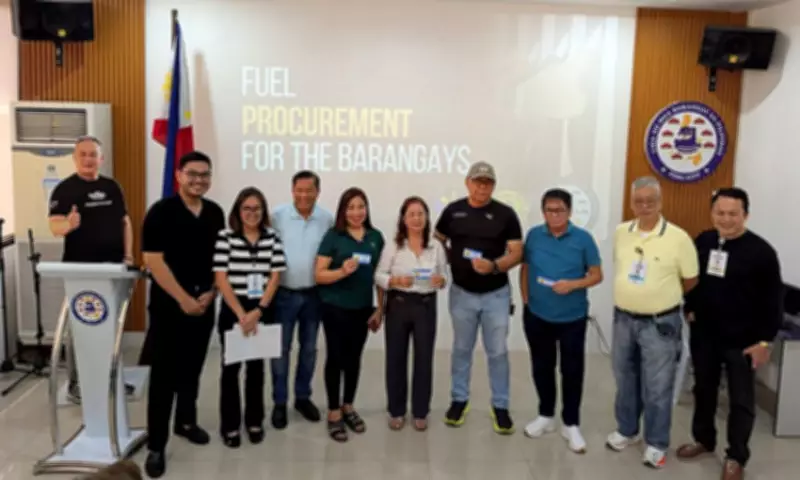
In a decisive move to combat the escalating oil price crisis, officials in Cebu City have distributed fleet cards, each loaded with P500,000, to 80 barangays. This funding is specifically allocated for purchasing fuel for barangay vehicles, with a focus on garbage trucks and fire trucks, to guarantee uninterrupted municipal services.
Distribution and Implementation Details
The distribution of these fleet cards was conducted on Friday, April 17, at the office of the Association of Barangay Councils (ABC) President Franklin Ong. Cebu City Mayor Nestor Archival personally handed over the assistance, accompanied by City Administrator Albert Tan and Chief of Staff Kenneth Siasar.
Under the agreement, the fuel allocation can be utilized within a one-month period, from April 17 to May 17, 2026, or until the funds are exhausted. Additionally, there is an option for renewal based on evaluation and future developments. This initiative is part of the city's broader response to the rising oil prices, which have significantly impacted government operations and community services.

Broader Subsidy Program for Drivers
Concurrently, the Cebu City Government is finalizing a proposed P35-million subsidy program for drivers affected by the high fuel costs. During a recent City Council budget hearing, Siasar stated that the city is currently organizing data and identifying beneficiaries from various sectors, including jeepney drivers, taxi operators, delivery riders, and habal-habal operators.
It is anticipated that between 10,000 and 15,000 drivers will benefit from this program, with funds sourced from the city's maintenance and other operating expenses.
Concerns and Recommendations from Council Members
However, several council members have expressed concerns regarding the lack of clear guidelines and validation mechanisms for the subsidy program. They warned that without adequate safeguards, the assistance might reach unqualified beneficiaries.
Some councilors suggested that barangay certification of beneficiary lists is necessary for accountability, while others cautioned that the upcoming barangay elections could politicize the distribution. Alternative proposals included collaborating with transport groups and cooperatives for verification purposes to ensure transparency and effectiveness.