Cebu City is moving to establish designated busking zones following the controversial arrest of a 68-year-old harmonica player, which sparked public outrage and ignited a debate on whether street performance constitutes mendicancy.
Mayor Orders Review of Policies
Mayor Nestor Archival announced that the incident highlighted the lack of clarity in enforcing the city's Anti-Mendicancy Ordinance. He said City Hall is now reviewing a proposal to allow buskers, musicians, human statues, and other street entertainers to perform in parks and plazas under a structured program, rather than being driven away from sidewalks and streets.
The move comes after the arrest of Ireneo Vidal, whose detention angered the public and triggered a social media debate on whether street performance should be considered begging.

The Arrest That Sparked Controversy
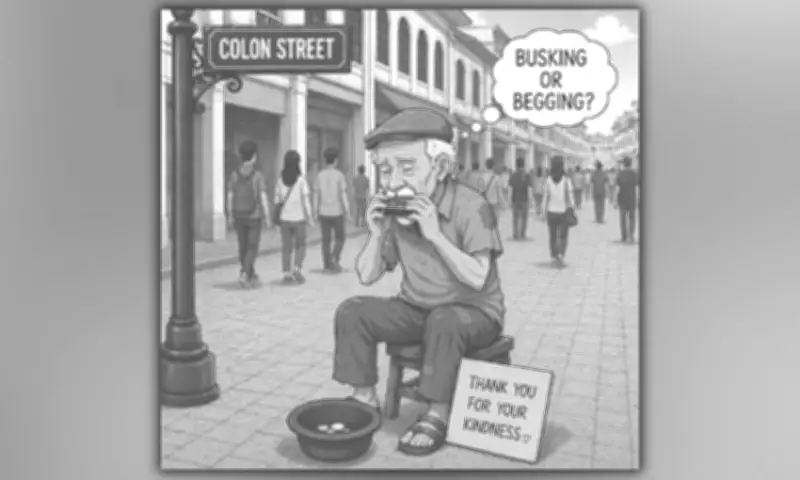
Vidal was arrested on the evening of May 7, 2026, by personnel of the Cebu City Anti-Mendicancy Office after he was found playing the harmonica on Colon Street while accepting small donations from passersby. The elderly man denied begging, saying he was only playing to earn money for food for his 3-year-old grandchild.
Video of his arrest went viral on social media, drawing widespread criticism from netizens who questioned why an elderly musician was jailed instead of being helped. Some posts also claimed that Vidal was manhandled during the arrest.
Mayor's Response and Investigation
Archival said he ordered an investigation after seeing the video and acknowledged that the incident showed the need for clearer policies for street performers. “We are trying to find ways to create a program where buskers have designated areas like parks,” he said.
The city is considering using public plazas as performance venues, starting on weekends, to allow performers to legally showcase their talents. The City Attorney's Office is also reviewing whether placing a donation box while performing constitutes mendicancy under the ordinance.
“Our point is, if you sing and put a box, are you asking? These are interpretations that the City Attorney needs to look into,” Archival added.
Public Opinion and Recurring Issue
The mayor noted that public opinion online is divided, with many criticizing what they described as overly strict enforcement against the poor trying to make a living. He also revealed that this was not Vidal's first arrest; he had been referred multiple times to the Cebu City Department of Social Welfare and Services (DSWS) and offered assistance and referrals to social welfare programs, but he returned to the streets due to hardship and lack of stable livelihood.
“He has been referred to CSWS three times, but he still returned to the streets because of poverty,” the mayor said.
Balancing Order and Compassion
Archival stressed that the city must strike a balance between maintaining order and showing compassion for those in difficult situations. He said Cebu City continues to rescue and admit street dwellers into government facilities and partner NGOs, where they receive food, temporary shelter, and livelihood training.
However, he acknowledged that the number of street dwellers is increasing as many come from neighboring provinces seeking opportunities and assistance. He also noted that regular dole-outs and feeding activities in some areas may be attracting more mendicants and homeless individuals to the city.
Body Cameras for Transparency
In response to the controversy, Archival ordered that anti-mendicancy personnel start using body cameras or video documentation in all operations to ensure transparency and protect both parties from conflicting allegations. “Starting now, operations must have cameras from start to finish,” he said.