Cebu City Council Urges Reopening of Binaliw Landfill to Combat Escalating Waste Crisis
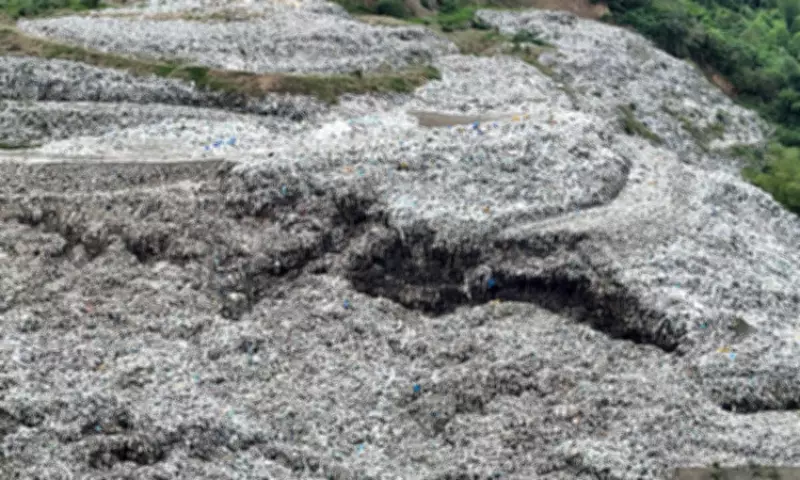
In a decisive move to address a mounting garbage emergency, Cebu City councilors are advocating for the reopening of a three-hectare section of the Binaliw landfill by March 2026. This interim measure aims to mitigate a worsening waste management crisis that threatens to cost the city a staggering P1.2 billion this year alone. The landfill has remained shuttered since a catastrophic trash slide on January 8, 2026, which resulted in the tragic loss of 36 lives.
Council Unanimously Approves Motion for Expedited Rehabilitation
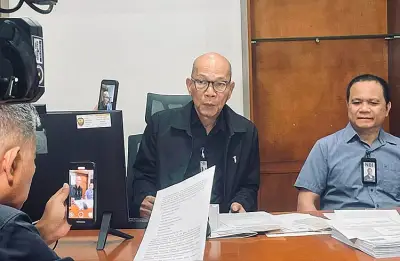
During a session on Monday, February 23, 2026, the city council unanimously approved a motion requesting assistance from the Department of Environment and Natural Resources in Central Visayas (DENR 7). The council is urging the agency to expedite Prime Integrated Waste Solutions (PWS) Cebu's compliance with rehabilitation requirements, enabling operations to resume under enhanced safety protocols.
"We are requesting DENR 7 to help us expedite the requirements so that operations can resume as soon as possible, given the urgency of the situation," emphasized Councilor Dave Tumulak. Councilor Phillip Zafra noted that Mayor Nestor Archival had been informed by PWS Cebu that a three-hectare area is still available for temporary waste management. However, any reopening is strictly contingent upon the DENR lifting the existing cease-and-desist order.

Financial Strain and Interim Solutions Face Significant Hurdles
The three hectares in question are part of the 17-hectare landfill operated by PWS Cebu, which was suspended by the DENR following the devastating collapse. Since the closure, the city's financial situation has deteriorated rapidly. Currently, waste is being hauled 60 kilometers to Aloguinsan at a cost of P3,906 per ton—more than triple the P1,100 rate previously paid at Binaliw.
Tumulak warned that at the current daily rate of 600 to 650 tons, annual spending could skyrocket to P1.2 billion, far exceeding the city's P517 million solid waste budget. Interim solutions have also encountered obstacles. A potential agreement with the Asian Energy Landfill in Consolacion collapsed due to payment issues and overcapacity. Consequently, the city has resorted to using a lot near Pond A at the South Road Properties as a temporary station, sparking complaints from residents about foul odors.
Rehabilitation Timeline and Regulatory Oversight Under Scrutiny
Niño Abellana Jr., general manager of PWS Cebu, informed councilors during an executive session that the company has formally written to the DENR to seek amendments to its environmental compliance certificate (ECC) and secure clearance for rehabilitating and expanding the landfill site. Abellana estimated that rehabilitating the Binaliw landfill would take between six months and one year.
Since the January 2026 trash slide, the city has faced a difficult choice between high-cost hauling to distant sites or returning to a facility with a compromised safety record. While officials acknowledge the sensitivity of reopening a site where lives were lost, they stress that strengthened environmental safeguards and stricter DENR oversight would be mandatory to prevent another disaster.
The Broader Implications: A Case Study in Urban Infrastructure Fragility
The Binaliw situation serves as a poignant case study of the "Not In My Backyard" (NIMBY) dilemma and the fragility of urban infrastructure. The closure of the city's primary disposal site has triggered an immediate domino effect:

- Financial Strain: Hauling waste to Aloguinsan costs P3,906 per ton, compared to the P1,100 previously paid at Binaliw.
- Budget Deficits: Projections indicate that if the current hauling arrangement continues, the city could spend P1.2 billion annually on waste—more than double its allocated P517 million budget.
- Public Health Risks: The temporary transfer station at the South Road Properties has led to resident complaints about foul odors and potential disease vectors.
Cebu City's reliance on a single private landfill underscores a systemic lack of diversified waste processing. While many modern cities are transitioning to waste-to-energy (WTE) plants or aggressive recycling and composting programs, numerous local government units (LGUs) remain dependent on traditional landfilling.
Key Factors to Monitor in the Coming Months
The most immediate factor is the DENR 7 decision on the three-hectare proposal. Regulators must determine whether a portion of a site under a cease-and-desist order can be safely separated from the disaster-stricken area. Beyond regulatory hurdles, stakeholders should watch for:
- Budget Realignments: How the council will cover the nearly P700 million shortfall if Binaliw does not reopen soon.
- Liability and Rehabilitation: Whether PWS Cebu can demonstrate completion of mitigation measures to prevent another slide.
- Long-term Strategy: Whether this crisis will prompt the city to invest in alternative waste technologies to reduce total tonnage, rather than simply relocating the same 600 tons of daily trash.
The January 8 disaster highlights the critical importance of regulatory oversight. The trash slide was not merely an isolated incident caused by adverse weather but a symptom of structural failure in waste heap management. As urban populations expand, the volume of waste often outpaces the technical capacity of existing landfills to safely contain it. The current debate transcends the question of where the trash goes, focusing instead on whether private-sector partners tasked with managing it can be held to rigorous engineering and safety standards.