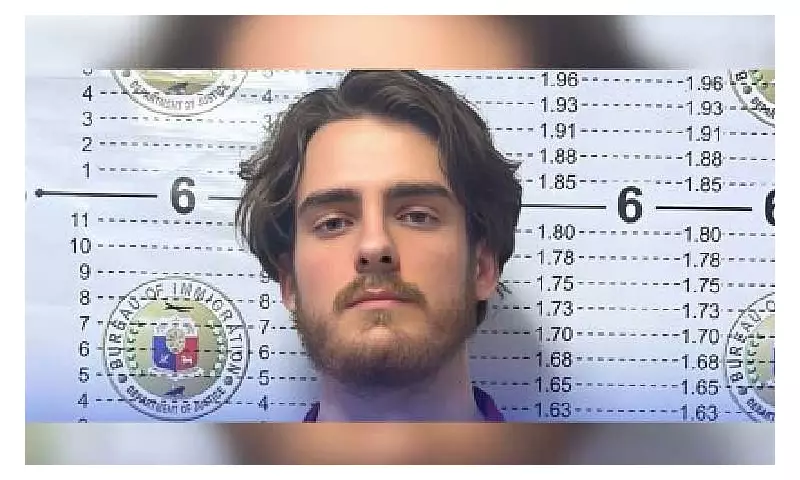
The Bureau of Immigration (BI) in the Philippines has officially confirmed that Russian vlogger Nikita Chekhov tested negative for the human immunodeficiency virus (HIV), following a medical examination conducted in collaboration with the Department of Health (DOH). This announcement comes after Chekhov's arrest in Quezon City last Wednesday, which stemmed from viral social media posts where he allegedly threatened to spread HIV while in the country.
Medical Examination Results
According to BI Commissioner Joel Anthony Viado, the medical tests performed on Thursday confirmed that Chekhov is "non-reactive" to HIV. In a statement, Viado elaborated that the 21-year-old vlogger was also tested for other related illnesses, all of which yielded negative results. This outcome supports the BI's initial suspicion that Chekhov's social media posts were merely "rage-bait"—intentionally designed to incite fear and attract widespread attention online.
Background of the Case
Nikita Chekhov gained notoriety after his social media threats went viral, prompting authorities to take swift action. His arrest highlights the BI's ongoing efforts to monitor and address foreign nationals who may abuse Philippine laws or cause public concern. Commissioner Viado reassured the public that the BI continues to collaborate with other government agencies to ensure that such individuals are dealt with appropriately and in accordance with legal protocols.

Response to Social Media Allegations
In addition to addressing Chekhov's case, Commissioner Viado responded to recent social media posts by blacklisted Russian national Vitaly Zdorovetskiy. Zdorovetskiy uploaded a video complaining about alleged inhumane conditions at the BI Warden Facility (BIWF), including issues with food served daily—reportedly just tuna and rice—and the use of a bucket for bathing. He also claimed that pregnant women and children are detained within the facility.
Viado's response underscores the BI's commitment to transparency and accountability, as the agency navigates these high-profile cases involving foreign nationals. The situation has sparked discussions about immigration policies and the treatment of detainees in the Philippines, with authorities emphasizing their dedication to upholding human rights and legal standards.