Mayor Gungun Gica's proposal to confiscate all cellphones in schools to eliminate distractions has sparked controversy, with critics arguing it oversimplifies governance and ignores the rule of law. The policy, reportedly enforced without a formal executive order, has been called a hostage negotiation rather than school discipline.
Regulation vs. Confiscation
The Department of Education already has rules governing mobile phone use: students may bring phones if necessary, but they must remain switched off during class. Disruptive phones can be temporarily taken by teachers and returned after class or to parents. Keeping a phone until the end of the school year goes far beyond regulation, resembling punitive action without due process.
Lack of Legal Basis
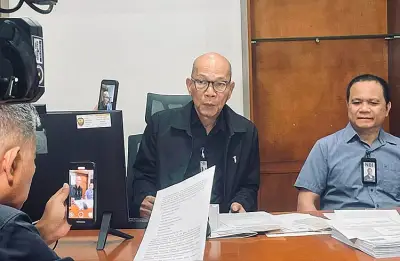
When school officials requested the executive order authorizing the policy, none was immediately available. The policy spread faster on Facebook than on official government paper. In government, likes are not laws, shares are not signatures, and a viral post is not an executive order.

Parental Concerns Dismissed
Parents who questioned the policy were not defending gadgets but access. In an age of earthquakes, typhoons, and emergencies, a cellphone is a lifeline between parent and child. One can confiscate the cellphone, but not a parent's concern—or curiosity. Less screen time is a worthy goal, but education is not measured by silence alone. Its higher calling is to teach students when, why, and how to put the phone down on their own.
The True Purpose of Education
The greatest lesson is not about cellphones but about the rule of law and the purpose of education: to cultivate critical thinkers, not merely obedient students. Governments exist to exercise authority within the limits of law, reason, and due process. Discipline imposed by fear produces silence; discipline nurtured by understanding produces character. The former lasts only until authority leaves the room; the latter lasts a lifetime.
The quality of education is measured not by gadgets surrendered at the gate but by minds trained to think critically, act responsibly, and distinguish freedom from license, authority from authoritarianism, and leadership from mere command. The finest schools produce citizens who govern themselves even when no one is watching. In a democracy, the strongest signal is never from a cellphone but from public power remaining connected to law, due process, and common sense.