Pickleball's Rapid Rise in Cebu: A Sport of Passion and Price
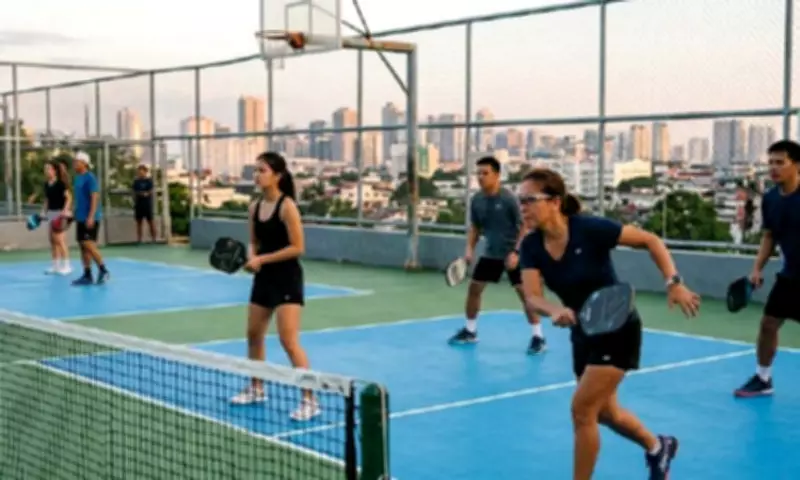
The pickleball phenomenon has taken Cebu by storm, transforming old basketball courts and public areas into bustling hubs for this fast-growing sport. However, beneath the surface of this enthusiastic craze, a pressing debate is emerging over the escalating costs that threaten to limit accessibility for many aspiring players.
The Financial Hurdles of a Friendly Game
Pickleball has earned a reputation as one of the most welcoming sports for beginners, with straightforward rules and a supportive community. Yet, as its popularity soars, players and coaches in Cebu are voicing concerns about the substantial expenses involved. Equipment, coaching sessions, and court rentals are creating financial barriers that make sustained participation challenging for some.
Denise Luz Roque, a 41-year-old member of the Dinkaholics sports association, shared her experience. Initially, she spent around P3,000 for two paddles from Decathlon. However, as her skills improved, her investments grew significantly. She upgraded to a P16,000 paddle, purchased a P3,000 sports bag, P6,000 shoes, and P6,000 protective eyewear, along with coaching at P500 per hour. Her total spending exceeded P31,000. Roque noted that while she anticipated these costs as part of her progression, she acknowledged that affordable options exist online for beginners through platforms like Shopee and Lazada.

Coaching and Court Rental: Additional Layers of Expense
Sophia Baliar, a Level 1 certified pickleball coach in Cebu, highlights the financial strain on players. She charges P1,300 for a two-hour session, excluding court rental, and observes that while middle-class players can often afford this, others, especially students, frequently negotiate for discounts. Some have even discontinued sessions due to cost pressures. Players unable to pay for court rentals often rely on free open play, but face long waits due to high demand.
Business Opportunities and Public Space Conversions
The sport's surging popularity has prompted entrepreneurs to repurpose public spaces into pickleball facilities. Axel Jyke Jimenez, who opened Hillhouse Multi-Purpose Court in Liloan in September 2025, cited demand as the primary driver. He charges P150 on weekdays and P250 on weekends for day use, with night rates at P250 daily, intentionally keeping prices lower by avoiding rent and manpower costs. Jimenez estimates that building and maintaining two to three courts costs between P200,000 and P300,000.
Jimenez acknowledged that pickleball is becoming expensive, particularly with frequent paddle upgrades, but emphasized that passion often justifies the cost. He also noted that while converting public spaces can increase accessibility, profit remains a key motivator for many businesses.
Equipment Costs and Perceptions of Exclusivity
Equipment pricing varies widely, with entry-level paddles at Decathlon starting at P2,500, while advanced brands like Vatic, Joola, and Paddletek can exceed P10,000. Kristina Cordero, a 20-year-old student, owns three paddles each costing around P18,000 and pays P50 per night to play in her subdivision. She criticized businesses for capitalizing on the trend, driving up prices unreasonably. Cordero pointed out that while the sport has become more open, exclusivity persists through clubs and private facilities.
Baliar, who also sells equipment, countered that beginners do not need expensive gear. She recommends Kawasaki or T700 carbon fiber paddles priced between P800 and P1,500, advising upgrades only after mastering basic skills. She stressed that skill, not equipment, determines success, and while the sport is growing more expensive, it remains accessible if not limited by private memberships or high fees.
Regional Variations and Economic Realities
Costs differ across locations, as illustrated by Eisna Butawan, a 20-year-old student. In Baybay, Leyte, open play costs P100 per game, with a P500 membership reducing it to P50. In Cebu, she plays for free in a parking lot near IT Park, but notes that equipment remains a barrier. Butawan justified higher city prices due to increased maintenance costs and encouraged others to try the sport, emphasizing its enjoyment once regular play begins.

The economic context adds another layer. With the minimum daily wage in Expanded Metro Cebu at P540 as of October 2025, monthly earnings before taxes are roughly P11,880—less than the price of a single mid-range paddle. This stark reality underscores the challenges for working-class individuals to sustain the hobby.
Conclusion: Balancing Growth with Inclusivity
As pickleball courts in Cebu remain full and the sport continues to expand, the tension between its booming popularity and rising costs is undeniable. While developers and players alike celebrate the trend, questions linger about affordability and long-term accessibility. The community's ability to navigate these financial hurdles will likely shape pickleball's future in the region, determining whether it remains a sport for all or becomes a luxury pursuit.