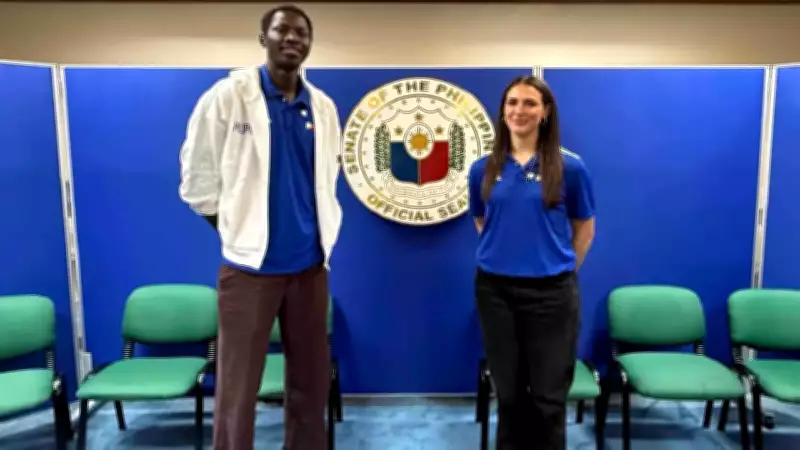
The Senate Committee on Justice and Human Rights recently convened a public hearing to deliberate on a proposed bill aimed at naturalizing two prominent basketball players, Malick Diouf and Elizabeth Means. The session was led by Senator Francis "Kiko" Pangilinan and included key stakeholders such as Diouf, Means, Philippine Sports Commission (PSC) chairman Patrick Gregorio, and representatives from the Samahang Basketbol ng Pilipinas (SBP).
Potential Impact on International Basketball
During the hearing, Ryan Gregorio, a member of the Gilas Pilipinas coaching staff, emphasized the significant potential that Diouf and Means bring to the national team in international tournaments. He highlighted their skills and experience as valuable assets that could enhance the Philippines' competitiveness on the global stage.
Background of the Players
Elizabeth Means is a standout NCAA Division II player from Westminster University in the United States, known for her athletic prowess and strategic gameplay. Meanwhile, Malick Diouf, originally from Senegal, has already made a mark in the UAAP, playing a crucial role in helping the University of the Philippines Fighting Maroons secure the championship in Season 84. His contributions have been widely recognized in local basketball circles.

Exclusions from the Hearing
Notably, the hearing did not include the citizen bids of former Beerment import Bennie Boatwright III and Fil-Am wrestler Matthew James Ramos. This omission was due to their current absence from the country, which prevented their participation in the proceedings. The committee focused solely on Diouf and Means, given their availability and immediate relevance to the naturalization process.
The discussions underscored the importance of naturalization in bolstering the Philippines' sports programs, particularly in basketball, where international talent can provide a competitive edge. The outcome of this bill could pave the way for more streamlined processes in the future, supporting the nation's athletic aspirations.