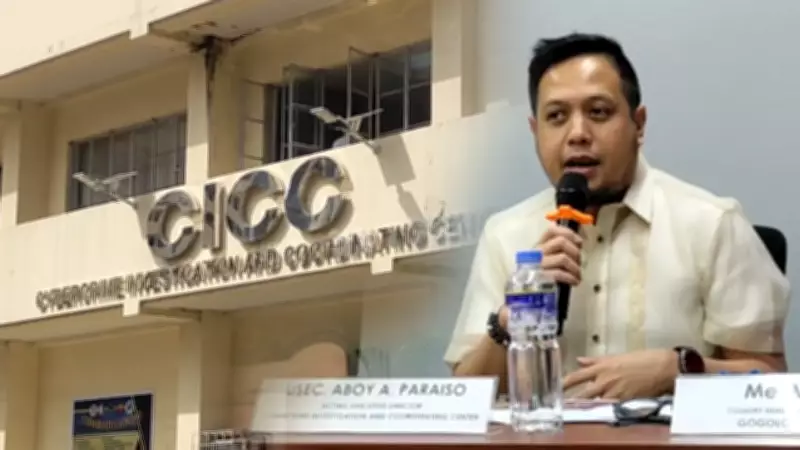
The Cybercrime Investigation and Coordinating Center (CICC) has issued a stern public warning regarding the proliferation of fake and recycled social media content, which is being exploited to capitalize on the fears of Overseas Filipino Workers (OFWs) and their families amid escalating tensions in the Middle East. This alert comes as authorities identify a viral video, purportedly showing a Filipina in Dubai struck by an Iranian missile, which was actually footage from Beirut, Lebanon, dating back to 2020.
Verification Through Advanced Tools
To combat this surge in misinformation, the CICC has employed Open-Source Intelligence (OSINT) and artificial intelligence (AI) tools to rigorously verify the authenticity of such content. These technologies enable the agency to trace the origins of videos and images, exposing recycled or manipulated media that often goes viral during crises.
Legal Implications and Public Call to Action
According to Undersecretary Renato "Aboy" Paraiso, the reposting of such deceptive material constitutes "engagement bait" and is classified as a digital crime. Offenders may face penalties under the Revised Penal Code and the Cybercrime Prevention Act of 2012, which include imprisonment and fines for those found guilty of spreading false information online.

Paraiso urged netizens to take proactive steps in verifying sources before sharing content and to report any suspicious posts to authorities. This collective effort is crucial in protecting the OFW community from psychological distress and misinformation that could exacerbate their anxiety during uncertain times.
The CICC's warning highlights the growing challenge of digital misinformation in conflict zones, emphasizing the need for public vigilance and technological solutions to safeguard vulnerable populations from exploitation.