In the bustling city of Angeles, a modern visionary is reshaping the digital landscape with groundbreaking infrastructure projects that promise to redefine connectivity across the Philippines. Dennis Uy, a name now synonymous with innovation, has emerged as a pivotal figure in the digital age, leveraging his crucial skills and forward-thinking vision to secure a better tomorrow for underserved communities.
Building the Backbone of Internet Connectivity
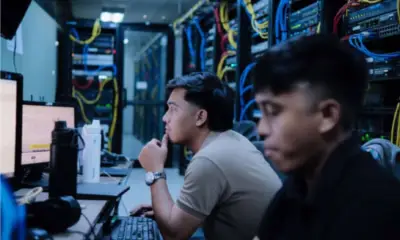
At the heart of Uy's efforts is the establishment of a high-scale data center in Barangay Pulung Maragul, Angeles City. This facility is not just a technological marvel; it is a strategic move to ramp up and strengthen the backbone of internet connectivity, particularly in areas that have long been neglected. By focusing on digital infrastructure, Uy is addressing a critical need in an era where reliable internet access is essential for education, business, and communication.
Reflecting on this progress, veteran journalists from Pampanga express a mix of admiration and nostalgia. "Oh, I wish Dennis was born earlier," one seasoned reporter muses, comparing today's digital tools to the challenges of the 1960s. Back then, beat reporters relied on long-distance calls that took hours to reach newsrooms, without the convenience of fax machines, cellphones, iPads, or laptops that now streamline journalism.

The Evolution of Pampanga Journalism
The story of Pampanga's media is a rich tapestry woven by generations of dedicated reporters. The first generation, including figures like Silvestre Songco, Lino Sanchez Sr., and Tomas San Pedro, laid the foundation in an era when newsmen based in Camp Olivas wielded significant influence due to their proximity to military top brass. During this time, the Philippine Constabulary had only four zones, with Camp Olivas serving as the headquarters of the 1st PC Zone, hosting notable generals such as Lucas Cauton and Rafael Ileto.
Pioneering Publications and Personalities
Among the early trailblazers was Armando P. Baluyut, known as Arpiba, who resigned from the police force in Bacolor town to publish the newsweekly The Voice in 1955. With no staff except for his son Lincoln and occasional help from colleagues, Baluyut juggled roles as editor-publisher, proofreader, and advertising manager, relying on judicial notices shared with the Luzon Courier for sustenance.
Other key publications of the era included the Pampanga Tribune by Lino Sanchez Sr., Ram Mercado's Star Reporter, and the Pampanga Examiner, which was run as a one-man operation by its publisher-editor. These tabloids, displayed on newsstands, thrived with invited columnists who espoused causes and undertook individual crusades, creating an engaging media environment free from modern distractions like "hao siaos" (gossip).
From Radio Commentary to Digital Age
In between newspapering, some journalists diversified into radio commentary, such as one who worked at Puyat-owned DZAB and DZYA, owned by the late Boss Danding Cojuangco in Angeles City. Described by partner Ram as a "hard-hitting, thunder and lightning commentator," this era of passionate, accent-free reporting has given way to today's digital transformations.
A New Era of Communication
As the third generation of reporters, including Bong Lacson, Tonette Orejas, and Albert Lacanlale, remains active, the strides in local journalism are undeniable. The genius of Dennis Uy continues to change the communication landscape, making it easier for journalists to connect and share stories. While the past was marked by manual labor and limited technology, the present offers unprecedented opportunities thanks to digital infrastructure that bridges gaps and fosters innovation.
In conclusion, the legacy of Pampanga's journalists and the vision of Dennis Uy highlight a dynamic shift from analog struggles to digital empowerment, ensuring that the future of communication in the Philippines is brighter and more connected than ever before.