
Cebu Water Crisis: Typhoon Tino Damages Lusaran Dam
Cebu City prepares for water shortage after Typhoon Tino severely damaged Lusaran Dam, cutting 20 million liters from daily supply. Mayor Archival urges conservation as recovery continues.

Cebu City prepares for water shortage after Typhoon Tino severely damaged Lusaran Dam, cutting 20 million liters from daily supply. Mayor Archival urges conservation as recovery continues.

Typhoon Tino's devastation leaves 70,000 Cebu households without reliable water supply. MCWD races to restore damaged facilities while residents rely on deep wells and water rationing. Learn how the city is coping.

Cebu residents face water shortages since Typhoon Tino hit on November 4. Advocacy group Cera demands power grid reforms to prevent utility emergencies across the province.

Rep. Alfredo Benitez coordinates with NEPC and PrimeWater to restore electricity and water in Bacolod after Typhoon Tino. Full power expected by Sunday. #BacolodRecovery

A police officer allegedly robbed a Bulacan convenience store, stealing ₱20,000 before being killed in a shootout during pursuit operations. Meanwhile, San Fernando residents demand action against Prime Water.

Governor Baricuatro pushes for an integrated water system to tackle Metro Cebu's flooding and scarcity. Learn how this revival aims to unify local governments.

Severe flooding in Asturias, Cebu has submerged homes and schools, forcing residents and educators to urgently appeal for clean drinking water assistance.
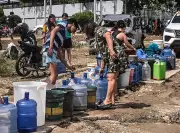
Mandaue City officials consider declaring a state of calamity as the prolonged dry spell and El Niño threaten water security, agriculture, and public health across Cebu communities.

The Philippine government allocates ₱2.2 billion for the comprehensive rehabilitation of Butuanon River, addressing decades of pollution and environmental degradation in Metro Cebu.

Cebu faces water scarcity after Typhoon Tino while DTI confirms stable prices and supply of essential goods. Learn how residents are coping and what authorities are doing.

Communities in northern Cebu struggle to recover after Typhoon Aghon, with urgent needs for clean water and construction materials to rebuild shattered homes.

Davao del Norte's construction industry emerges as the region's fastest-growing sector, recording an unprecedented 163% growth that signals robust economic development and infrastructure expansion in Southern Philippines.

The Davao City Council takes decisive action against a piggery operation accused of polluting the critical Panigan-Tamugan River, summoning the owner to explain alleged environmental violations threatening Davao's future water source.

A Cebuano farmer's emotional appeal to Senator Bong Go highlights the severe water shortage affecting local agriculture and livelihoods in Cebu's mountainous regions.

Mandaue City faces a critical water crisis as Mayor Jonas Cortes declares a state of calamity, implementing emergency measures and seeking national government assistance.

President Ferdinand Marcos Jr. has launched a comprehensive investigation into Cebu's flood control infrastructure after recent heavy rains caused severe flooding, questioning the effectiveness of billion-peso drainage projects.

Cebu City government launches thorough evaluation of all flood control initiatives to enhance disaster resilience and protect communities from worsening flooding.

The Philippine Ombudsman has formed a special task force to investigate multiple government infrastructure projects connected to former Public Works Secretary Mark Villar and the Villar family business empire.

Investigative report reveals financial connections between Senator Escudero's office and controversial flood control initiatives. Discover the paper trail that raises accountability concerns.

Typhoon Tino's aftermath paralyzes Cebu City with flooded roads, fallen trees, and infrastructure damage. Emergency teams work to clear major thoroughfares as residents face transportation chaos.
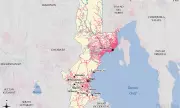
Davao del Sur experiences remarkable growth with population reaching 705,000 and GDP expanding by 4.9% in 2024, driven by agriculture and infrastructure development.

An in-depth investigation reveals why Barangay Bacayan experienced devastating flooding during Typhoon Tino, exposing infrastructure failures and environmental warnings that went unheeded.

Tropical Depression Tino's devastating impact on Cebu reveals urgent infrastructure challenges as 48 fatalities highlight the province's vulnerability to extreme weather events.

Barangay Captain Ramil Ayuman approves massive ₱119 million development fund for road improvements, drainage systems, and public facilities in Cebu's Barangay Luz.

Cebu City government introduces mandatory septage management program requiring property owners to maintain septic tanks, aiming to protect groundwater and public health from contamination.

Lapu-Lapu City showcases remarkable disaster preparedness as Typhoon Tino passes through with no casualties and only minor infrastructure damage reported across the island.

Mayor Javier Benitez transforms Victorias City's public service capabilities with the turnover of 72 brand-new vehicles to various departments, marking a significant infrastructure investment.

Typhoon Tino batters Cebu with torrential rains, causing severe flooding and significant damage to infrastructure across the province. Emergency response teams mobilize as communities face the storm's aftermath.

Iloilo City celebrates the grand opening of its state-of-the-art Central and Terminal Markets, featuring enhanced facilities, improved sanitation, and better vendor spaces to revolutionize the local shopping experience.

Infrastructure Contractors International calls for immediate Ombudsman probe into DPWH officials including Bonoan over alleged corruption and project irregularities.