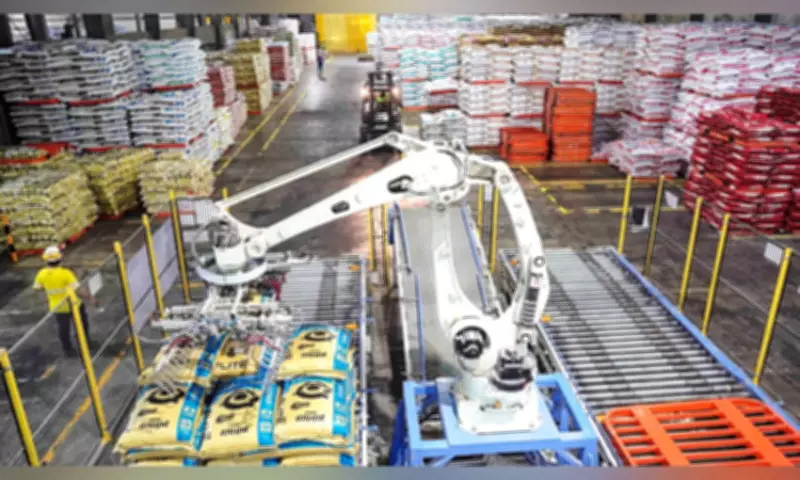
Aboitiz Foods is accelerating regional growth through the adoption of cutting-edge R&D technologies and data-driven innovation to enhance operational efficiency and product performance across its agribusiness and food and nutrition divisions. However, geopolitical tensions in the Middle East are beginning to weigh on its operations, with higher fuel prices and freight costs pushing up expenses across its food and agribusiness value chain, according to its top executive.
Cost Pressures Across the Value Chain
Tristan Aboitiz, president and chief executive officer of Aboitiz Foods, said the ongoing crisis is driving cost pressures across the group, particularly through rising energy prices that increase logistics expenses across key markets. As an integrated food and agribusiness company, these factors directly impact the cost to produce and deliver products, he said during the company's recent media briefing.
The impact is being felt across categories, including flour, feed, and meat products, as elevated fuel costs ripple through transport and distribution. At the same time, the company is seeing a slight increase in landed raw material prices due to weakening foreign exchange rates in several of its operating markets.

Aboitiz noted that near-term pressures are largely coming from higher freight and energy costs, although risks to raw material prices could intensify in the coming months. He highlighted that fertilizer prices and adverse weather patterns may disrupt crop output, potentially pushing input costs higher toward the fourth quarter and into 2027.
Tightening Cost Controls
To mitigate the impact, the company has been tightening cost controls and improving operational efficiency, efforts it has been refining over the past several years amid recurring global disruptions. This is not new; it is an extension of the kind of work that we have been doing due to the various crises we have gone through, he said.
The firm has also implemented selective price adjustments in segments such as feed and flour, aligning with broader market movements while aiming to balance profitability with the sustainability of its customers' operations.
Investing in Growth Platforms
Despite near-term headwinds, Aboitiz Foods continues to invest in strengthening its capabilities and expanding its growth platforms. Among its recent initiatives is the acquisition of Singapore-based Diasham Resources Pte. Ltd., which expands its specialty nutrition and animal health portfolio and strengthens its footprint across key Asia-Pacific markets. The move positions the company in higher-margin segments that complement its core feed business.
The group has also invested in an aquaculture research and development facility in Singapore, aimed at accelerating the development of science-based, practical solutions for customers. The facility is expected to help bridge research and real-world application, enhancing product innovation and responsiveness to market needs. These moves bring research closer to actual application and position us to deliver more value across the value chain, Aboitiz said, adding that they reinforce the company's long-term commitment to sustainably feeding Asia's growth.
2026: A Tricky Year
Looking ahead, the company remains cautiously optimistic, even as 2026 shapes up to be a challenging year due to external shocks. Aboitiz said the food and agribusiness sector typically operates in long cycles and that structural demand drivers remain intact. Rising incomes and population growth across Asia are expected to sustain demand for protein and staple foods over the next decade.
There is no doubt that 2026 will be a tricky year, he said, noting ongoing volatility in global markets. Still, the company is positioning itself for long-term resilience by focusing on disciplined growth, operational improvements, and cost leadership. Our priority is to strengthen our operations and be the lowest-cost producer of high-quality products across the region, he said. We see 2026 as a year of more disciplined growth and continued operational improvement, which will bode well for us in the long run.