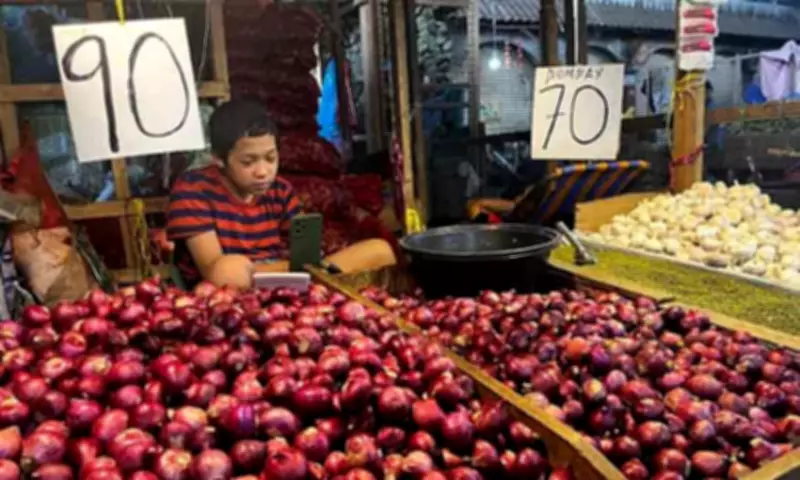
Prices of essential spices, vegetables, and fruits at Bankerohan Public Market in Davao City have reportedly soared by as much as 70 percent, driven by continuous increases in the country's petroleum products. This alarming surge was documented in a price monitoring report released by SunStar SuperBalita Davao on Wednesday, March 18, 2026, highlighting the severe impact of fuel price hikes on basic commodities.
City Government Prioritizes Food Security Amid Crisis
In response to the escalating costs, the Davao City government is intensifying its focus on food security to mitigate the effects of rising fuel prices on local goods. Harvey Lanticse, head of the City Information Office, emphasized that the City Agriculturist's Office has mobilized its resources, conducted a comprehensive inventory of food production, and is collaborating closely with farmers and cooperatives to ensure a steady and reliable supply of agricultural products.
Sustainable Farming Initiatives and Support Programs
Lanticse detailed on March 26, 2026, that the local government unit is strengthening sustainable farming programs to combat the crisis. These initiatives include promoting composting and vermicast techniques to provide more affordable fertilizers, exploring regenerative agriculture practices, and expanding household gardening efforts to enhance overall food security within the community.

Additionally, the city is actively working to provide and procure key agricultural inputs such as seeds, fertilizers, and feeds for inland fisheries. This strategic move aims to sustain and boost production levels, ensuring that Davao's agricultural sector remains resilient despite external pressures.
Fuel Price Surge Linked to Middle East Conflict
The push for enhanced food security comes as fuel prices continue to rise, largely due to the ongoing conflict in the Middle East. This geopolitical tension has driven up transportation and production costs, subsequently inflating the prices of basic commodities across the region, including in Davao City.
Regional Supply and Monitoring Efforts
Earlier reports from the Department of Agriculture-Davao Region indicated that the region maintains a sufficient rice supply, with approximately 59,000 hectares dedicated to rice production and an estimated 60-day buffer stock available from the National Food Authority. The region also boasts adequate supplies of chicken, pork, spices, and vegetables, providing a buffer against potential shortages.
The Department of Agriculture continues to monitor prices of basic goods in collaboration with the Davao City Price Monitoring Council and the Task Force on Price Monitoring, which is led by the City Mayor's Office. However, the agency clarified that it does not directly control prices, as its mandate is limited to monitoring those set by private businesses, emphasizing the need for market-driven solutions.
Fuel Subsidies to Support Farmers and Fisherfolk
To cushion the impact of rising fuel costs on agricultural producers, the Department of Agriculture has announced a proactive measure: providing a P5,000 fuel subsidy to each registered farmer and fisherfolk in the region. The agency is currently preparing the master list of beneficiaries to ensure timely and efficient distribution of this financial assistance, aimed at alleviating the burden on those at the frontline of food production.
This comprehensive approach underscores the city's commitment to addressing both immediate price concerns and long-term food security challenges, as Davao navigates the complexities of a global fuel crisis affecting local markets.