Food Companies Announce Price Hikes Amid Middle East Oil Crisis
In response to escalating oil prices triggered by turmoil in the Middle East, multiple food companies in the Philippines are preparing to implement price increases on their products. According to industry leaders, this move is a direct consequence of rising transportation and logistics expenses that have strained supply chains across the country.
Immediate Price Adjustments Set for April
During a recent radio interview, Steven Cua, president of the Philippine Amalgamated Supermarkets Association Inc., revealed that several brands of pasta, instant noodles, canned goods, and candies will see price hikes ranging from seven to ten percent effective April 1. Cua emphasized that even a water company is planning to adjust its prices due to heightened transportation costs, particularly for products sourced from regions like Cebu in the Visayas.
"Water is one item that will see a significant increase, as I understand it, because it comes from Cebu, and transportation costs are again a problem due to fuel prices," Cua stated, highlighting the widespread impact of the oil crisis.

Logistics Challenges and Operational Adjustments
Robert Go, spokesperson for the Philippine Retail Association-Cebu Chapter, noted in an interview that factories are currently in a "wait-and-see" situation but have already begun adjusting their logistics operations to cope with soaring fuel expenses. He explained that deliveries are now limited, with companies prioritizing full-load shipments to save costs, while remote provinces are experiencing reduced trip frequencies.
"High fuel prices are already affecting logistics, so deliveries are limited unless full load, and those in far provinces are receiving fewer shipments," said Go, who manages the Prince Retail Group. He added that factories have signaled potential price increases of three to five percent on some products starting April 1.
Impact on Essential Goods and Consumer Behavior
Essential items such as rice, cooking oil, and sugar have already faced price increases, significantly impacted by higher gasoline costs in transportation and distribution. Logistics expenses have risen sharply in recent weeks, with shipping costs from Manila increasing by 25 to 30 percent and roll-on/roll-off (RoRo) fees surging up to 50 percent.
"From Manila to Cebu and onward to islands like Camotes, the combined increase is about 75 percent, and truck fuel costs have nearly doubled," Go reported, noting that remote areas are bearing the brunt of these escalating delivery costs.
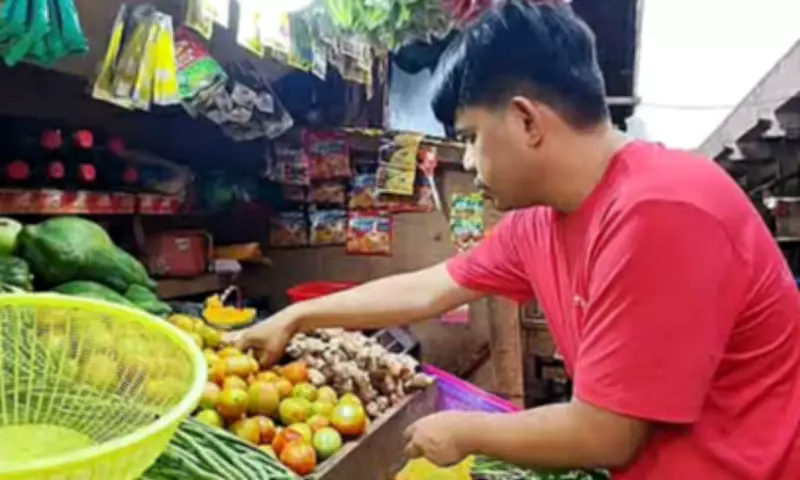
Despite these challenges, overall consumer buying habits have remained relatively unchanged for now. However, owners of sari-sari stores have started increasing their purchases to secure stock at current prices. Go advised against panic buying, warning that it could drive prices even higher if supplies dwindle.
Government and Industry Responses
On March 17, the Department of Trade and Industry (DTI) announced that 21 manufacturers of basic necessities, including sardines, bread, bottled water, instant noodles, coffee, canned meat, soap, and candles, have committed to not adjusting prices for the next 30 days. Some have even pledged to maintain their prices for up to 60 days, offering temporary relief amidst the ongoing economic pressures.
This situation underscores the broader effects of global conflicts on local economies, with the retail and food sectors navigating increased operational costs and potential inflationary trends.