Senator Go Proposes Economic Relief as Fuel Price Hikes Threaten Agriculture and Fisheries
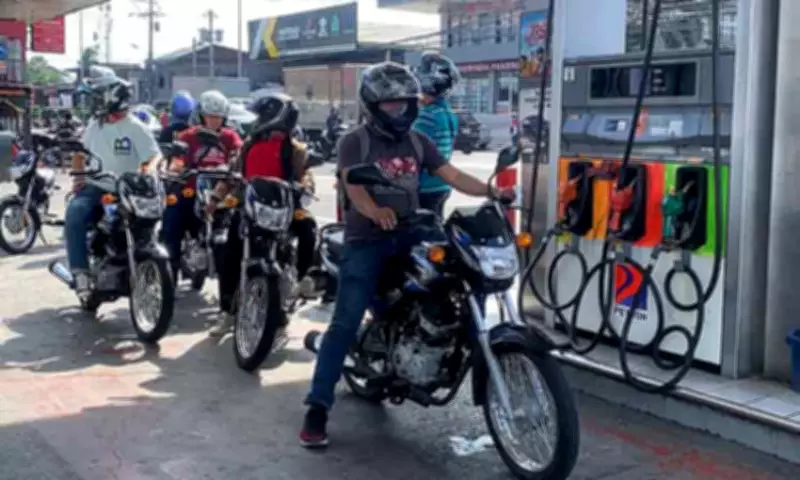
Motorists in Davao City flocked to fuel stations on Tuesday, April 14, 2026, to take advantage of a price rollback in petroleum products. However, this temporary relief comes amid a broader crisis, as Senator Christopher Bong Go has proposed urgent economic relief measures to address the impact of surging global oil prices on the agriculture and fisheries sectors.
Growing Burden on Farmers and Fisherfolk
In filing the "Fuel Crisis Immediate Relief and Response Act" on April 8, 2026, Senator Go highlighted the escalating burden of fuel expenses on farmers and fisherfolk, who rely heavily on diesel and petroleum products to sustain their operations. "The agriculture and fisheries sectors are highly dependent on diesel and other petroleum products. When the price of petroleum rises, every stage of production also becomes more expensive," he stated.
Go emphasized that the issue extends beyond mere cost increases, questioning whether producers can continue their activities. "The increase in oil prices is not just an added cost. It is a question of whether they will still be able to plant or go out to sea in the coming days," he added in a manifestation.

Rising Fuel Costs Squeeze Producers
Recent data and media reports indicate that increases in global crude oil prices have led to higher domestic pump prices, significantly affecting production costs across food supply chains. Diesel, a critical input in both agriculture and fisheries, powers irrigation systems, farm machinery, and fishing boats, making fuel price hikes particularly disruptive.
- Agriculture groups have reported rising costs for land preparation, harvesting, and post-harvest processing.
- Logistics expenses, such as transporting inputs and produce, have also climbed.
- These developments have reduced already thin profit margins for farmers, with some scaling back operations to cope with higher expenses.
In the fisheries sector, operators have been forced to adjust as well. Reports show that some fisherfolk are shortening fishing trips or reducing frequency due to fuel costs, resulting in lower catch volumes and income instability. Industry observers warn that prolonged fuel price increases could discourage production and eventually impact food supply.
Global Pressures Driving Local Impact
Senator Go pointed to geopolitical tensions in West Asia as a key factor behind oil price volatility, particularly disruptions involving major producers and critical shipping routes such as the Strait of Hormuz. Recent global benchmarks have seen crude oil prices exceed $115 per barrel, intensifying pressure on oil-importing economies like the Philippines.
As a result, the country has experienced:
- Rising transportation costs.
- Increased prices of basic goods.
- Weakened purchasing power among consumers, with effects more pronounced among low- and middle-income households.
Proposed Safeguards in the Relief Act
The proposed measure outlines several interventions aimed at easing financial pressure on affected sectors:
- A two-month deferment of contributions to government institutions such as the Philippine Health Insurance Corporation, Social Security System, Government Service Insurance System, and Home Development Mutual Fund, with payments to be staggered over succeeding months.
- A 30-day grace period for loan payments from state-run lending institutions without penalties, offering temporary relief to borrowers affected by rising costs.
- Direction for the Department of Trade and Industry to strengthen enforcement against hoarding, profiteering, and price manipulation to protect consumers and ensure fair market practices.
Food Security at Risk
Experts have warned that sustained fuel price increases could have longer-term implications for food security, as higher production costs may translate into reduced output and elevated market prices. With agriculture and fisheries forming the backbone of the country’s food supply, policymakers are under increasing pressure to mitigate the impact of external shocks.

Senator Go stated that the proposed measure aims to provide immediate relief while broader strategies are pursued to stabilize the economy and safeguard vulnerable sectors from ongoing global uncertainties. The urgency of this legislation underscores the critical need to address the interconnected challenges of fuel affordability, agricultural sustainability, and national food security in the Philippines.