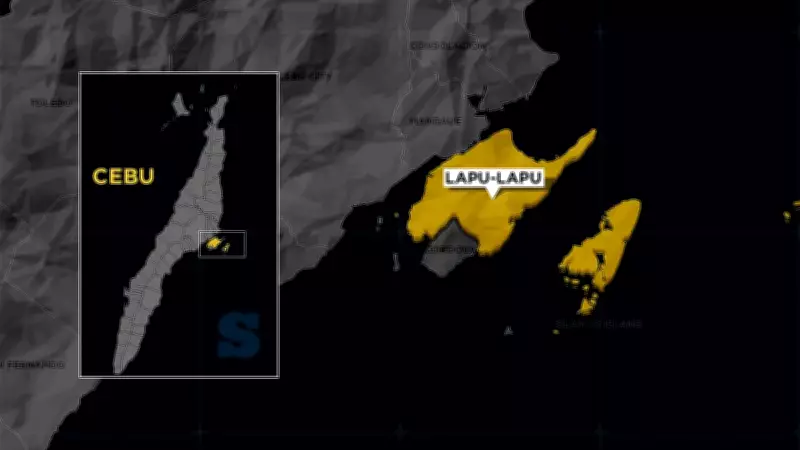
Olango Island Domestic Birds Test Negative for Avian Influenza in Latest Surveillance
In a significant development for regional agriculture, all 90 domestic birds tested on Olango Island have returned negative results for avian influenza virus antibodies, as confirmed by the Lapu-Lapu City Veterinary Office (CVO). This outcome follows the office's latest surveillance activity, aimed at safeguarding the local poultry industry from potential outbreaks.
Surveillance Details and Laboratory Results
City Veterinarian Janice Togonon, in a phone interview with SunStar Cebu on Tuesday, April 14, 2026, revealed that samples collected from chickens, ducks, and turkeys showed no evidence of exposure to avian influenza. The laboratory results, released by the Regional Animal Disease Diagnostic Laboratory on April 8, 2026, underscore the area's current safety status. Togonon emphasized the critical importance of maintaining this freedom from the virus, noting that an outbreak could have severe repercussions for the poultry sector.
"It's very important that we are able to check this. We need to have preparations in place, that's why it's important for us to know, so we can protect our poultry industry not only in Lapu-Lapu City but the Province of Cebu," Togonon stated in Cebuano. She further highlighted that the virus can be highly pathogenic and may also pose risks to human health, making ongoing vigilance essential.

Monitoring Procedures and Site Selection
The surveillance was conducted on March 26, 2026, in coordination with the Department of Agriculture's Regulatory Division, as part of the CVO's annual monitoring efforts. Veterinary personnel collected both blood and cloacal swab samples from the 90 domestic birds, following standard avian influenza surveillance protocols designed to detect both current infections and prior exposure to the virus.
- Blood samples are analyzed for antibodies indicating previous infection.
- Cloacal swabs help identify active viral shedding in birds.
Olango Island was specifically chosen as a monitoring site due to its proximity to the Olango Island Wildlife Sanctuary, a key stopover for migratory birds along the East Asian-Australasian Flyway. Thousands of migratory birds from Siberia, China, Japan, and Korea pass through the area annually, utilizing the island's wetlands as resting and feeding grounds, which increases the risk of virus transmission.
Call for Vigilance and Future Monitoring
Togonon urged poultry owners to remain alert and report any unusual or sudden deaths among chickens to the CVO immediately for prompt investigation. This proactive approach is crucial for determining the cause of illness and preventing potential spread. The CVO conducts surveillance monitoring twice a year, with the next round scheduled between September and November 2026, ensuring continuous protection for the region's agricultural interests.