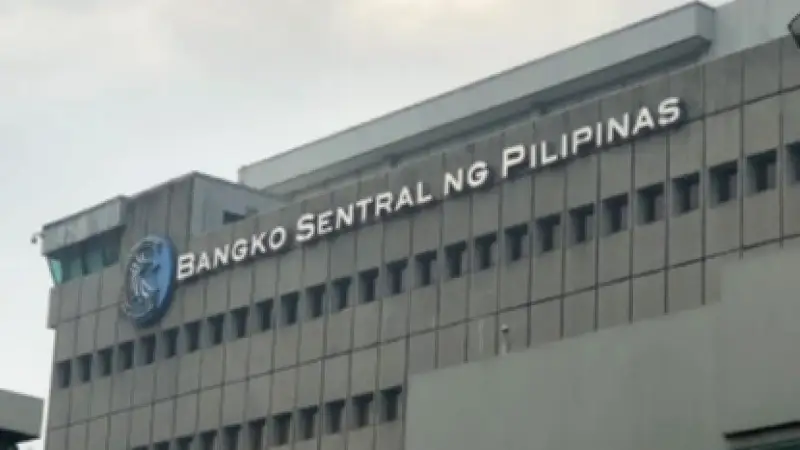
The Bangko Sentral ng Pilipinas (BSP) has amended its e-payments framework to make digital transactions more affordable and transparent, directly addressing consumer complaints about high fees. Under Circular No. 1238, issued on June 17, 2026, person-to-person e-payment fees across banks, e-wallets, and other payment service providers must not be significantly higher than fees charged within the same institution. Since transfers within one bank or e-wallet are often free, any difference in pricing should primarily reflect costs paid to the network switch operator.
Cost Analysis Requirement and Oversight
The BSP now requires supervised financial institutions to maintain cost analyses for their electronic payment services. These analyses may be reviewed during oversight activities to ensure compliance. BSP Governor Eli M. Remolona, Jr. emphasized that lowering fees will encourage more Filipinos and businesses to adopt digital transactions, improving efficiency and reducing costs across the payments system.
Consumer Survey Findings
The move responds to findings from the BSP’s Consumer Expectations Survey in Q4 2025, which revealed that one in three Filipino consumers view high fees as a major barrier to using digital payments more frequently. This statistic underscores the need for regulatory intervention to boost digital payment adoption.

Amendments to Payment Frameworks
Circular No. 1238 also amends the National Retail Payment System Framework and the Regulatory Framework for Merchant Payment Acceptance Activities (RFMPAA). Among the changes is the expansion of transaction points where users can make digital payments, aimed at accelerating the growth of the digital ecosystem.
Financial Inclusion for Micro Businesses
Additionally, micro businesses such as sari-sari stores will now be allowed to open accounts using the National ID or other official documents. This enables them to accept digital payments and access more financial services, furthering financial inclusion.