Government Shifts from Crisis Response to Recovery Strategy Amid Prolonged Oil Shock
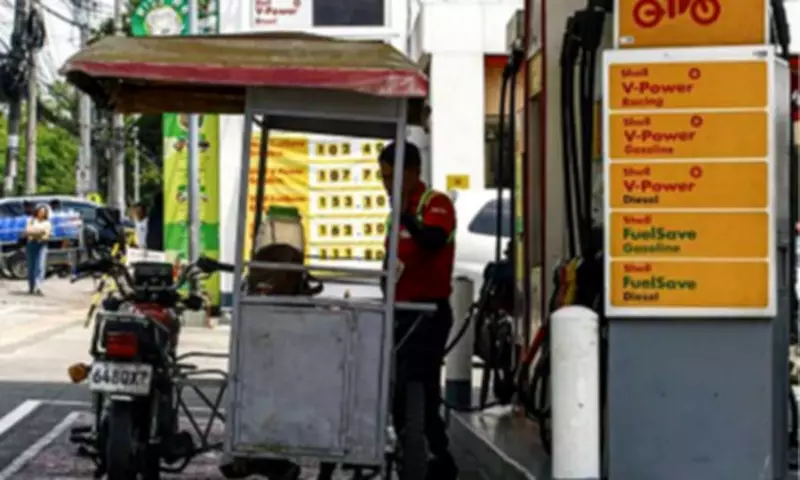
The Philippine government is pivoting from immediate crisis management to a comprehensive recovery plan as fuel prices continue to exhibit high volatility due to an extended global oil shock. This strategic transition was announced by Department of Economy, Planning, and Development (DepDEV) Secretary Arsenio Balisacan during a Senate committee hearing on Monday, April 13, 2026.
Introducing the UPLIFT Action Plan
Secretary Balisacan presented the Unified Package for Livelihoods, Industry, Food, and Transport (UPLIFT) action plan to the Senate Proactive Response and Oversight for Timely and Effective Crisis Strategy (PROTECT) Committee. He emphasized that the government's objective is to ensure stability and continuity in economic activities while preparing for recovery from the shocks induced by the global situation.
"We are moving beyond short-term interventions and working toward a more resilient system that can withstand similar disruptions in the future," Balisacan stated, highlighting the plan's focus on long-term sustainability rather than temporary fixes.

Key Components of the UPLIFT Plan
The UPLIFT plan outlines a whole-of-government approach designed to sustain economic activity and protect vulnerable sectors. Its key measures include:
- Fuel subsidies and logistics support for farmers and fisherfolk to maintain agricultural productivity.
- Expanded transport assistance for public utility vehicle (PUV) drivers to mitigate the impact of rising fuel costs.
- Social protection measures, such as cash aid for low-income households, to alleviate financial strain.
In the energy sector, the government is implementing supply stabilization measures, including securing oil supply, monitoring against hoarding and profiteering, and promoting energy conservation. Additionally, longer-term options such as biofuel imports and strategic fuel reserves are under study to enhance energy security.
Senate Scrutiny and Implementation Gaps
Senator Win Gatchalian, who chairs the PROTECT Committee, underscored the necessity of translating plans into tangible outcomes. "Plans are no longer enough. We need to see results," Gatchalian remarked, noting that 45 days into the crisis, fuel prices remain unpredictable, burdening Filipinos with both rising costs and uncertainty.
He highlighted significant gaps in implementation, revealing that only about 43 percent of PUV drivers have received fuel subsidies so far. This shortfall underscores the challenges in effectively deploying aid despite the government's allocation of approximately PHP238 billion for transport subsidies, agricultural support, and social protection programs. A portion of these funds has already been released, with the remainder available for deployment.
Civil Society Advocates for Philippine Interests in Resource Exploration
In a related development, civil society group 1Sambayan emphasized that Philippine interests must remain paramount in any agreement with foreign states regarding the exploration, development, and utilization (EDU) of oil and gas within the country's exclusive economic zone in the West Philippine Sea.
The group outlined several conditions for such agreements:
- The agreement must expressly recognize that the oil and gas resources belong to the Philippine state.
- The EDU activities must be embodied in a Service Contract under Presidential Decree No. 87 (Oil Exploration and Development Act of 1972) as amended.
- The service contract must be governed by Philippine law.
These conditions are intended to ensure compliance with the Philippine Constitution, the 2016 Arbitral Award, and the 2023 Supreme Court ruling that voided the 2005 Joint Marine Seismic Undertaking (JMSU) among Philippine, Chinese, and Vietnamese oil firms in the South China Sea. The court ruled that the JMSU violated the 1987 Constitution by allowing foreign-owned corporations to explore national resources without full state supervision.

As the government advances its recovery efforts, the integration of these protective measures into resource exploration agreements will be crucial for safeguarding national sovereignty and economic stability in the face of ongoing global challenges.