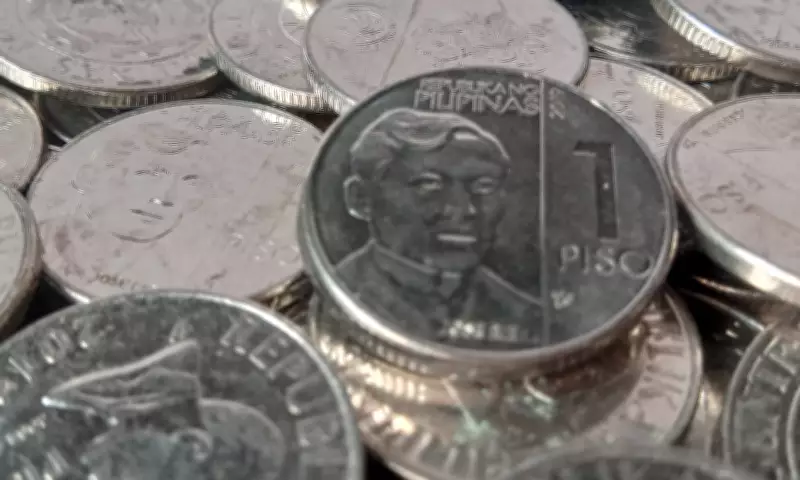
The purchasing power of the Philippine peso has fallen to its lowest level in eight years, with one peso now valued at just P0.073, National Statistician and Civil Registrar General Dennis Mapa announced on Tuesday, May 5, 2026.
Declining Value Amid Rising Inflation
In a press conference, Mapa explained that the purchasing power of the peso declines as inflation increases. Last month, the value of P1 had already dropped to P0.75, indicating a continuous downward trend.
The purchasing power of the peso (PPP) measures how much goods and services can be bought with one peso relative to a base year. A drop in PPP means consumers need to spend more to purchase the same basket of goods, effectively reducing their spending capacity.

Impact on Consumers
The latest figure implies that what P1 could buy in the base year can now only purchase about 7.3 centavos worth of goods and services. This sharp decline underscores the significant impact of rising inflation on Filipino households, eroding their real income and purchasing power.
The announcement follows a sharp uptick in inflation, which climbed to 7.2 percent in April 2026—the highest since March 2023. The surge has been largely driven by higher prices of food, transportation, and utilities, all of which are essential components of household spending.
Economic Implications
Economists warn that sustained high inflation could further weaken the peso's purchasing power, putting additional strain on consumers and potentially slowing economic growth. The government faces pressure to implement measures to curb inflation and support household incomes.