Philippines Foreign Direct Investment Inflows Decline in Early 2026 Amid Global Tensions
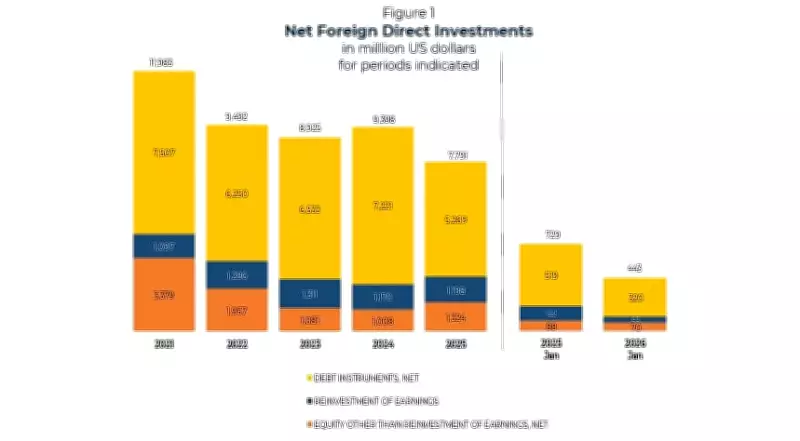
The Philippines experienced a significant drop in foreign direct investment (FDI) inflows at the beginning of 2026, with net inflows reaching $443 million in January, according to the latest data from the Bangko Sentral ng Pilipinas (BSP). This figure represents a notable decrease from the $729 million recorded in the same month of 2025, highlighting a more cautious investment climate as geopolitical risks continue to influence global investor sentiment.
Geopolitical Factors Weigh Heavily on Investment Decisions
The BSP attributed the decline primarily to rising geopolitical uncertainties, which have made investors more hesitant to commit capital. The central bank's preliminary data underscores how external factors can swiftly impact the country's economic landscape, even as domestic fundamentals remain robust. This shift reflects a broader trend of capital becoming more selective in emerging markets amid global instability.
Key Sources and Sectoral Distribution of Investments
Despite the overall downturn, equity capital placements continued to flow from major economic partners. Japan, the United States, and South Korea emerged as the leading sources of these investments. The funds were predominantly directed into three critical industries:

- Manufacturing: A traditional stronghold for FDI, indicating ongoing confidence in the country's industrial capabilities.
- Real Estate: Reflecting sustained interest in property development and infrastructure projects.
- Wholesale and Retail Trade: Highlighting the vitality of the consumer market and distribution networks.
Breakdown of FDI Components and Their Contributions
Analyzing the composition of the inflows provides deeper insight into investor behavior. Net investments in debt instruments constituted the largest portion at $320 million, demonstrating a preference for more secure financial instruments during uncertain times. Equity capital placements, excluding reinvested earnings, amounted to $70 million, while reinvested earnings—a sign of long-term commitment from existing foreign enterprises—totaled $53 million for the period.
BSP Methodology and International Standards
The Bangko Sentral ng Pilipinas emphasized that its FDI data are compiled in accordance with international standards under the Balance of Payments framework. This ensures accuracy and comparability by capturing actual investment inflows, including:
- Equity capital investments from abroad.
- Reinvested earnings by foreign-owned companies operating locally.
- Intercompany borrowings between parent firms and their Philippine affiliates.
Long-Term Growth Prospects Remain Attractive
Despite the short-term dip, the BSP noted that the continued flow of investments into key sectors like manufacturing and real estate signals enduring confidence in the Philippines' long-term economic growth potential. The diversification across industries suggests that foreign investors still view the country as a viable destination for capital, particularly in areas driving industrialization and urban development.
The central bank's report serves as a crucial barometer for policymakers and market observers, highlighting the need to monitor geopolitical developments and their impact on investment flows. As the year progresses, stakeholders will be watching closely to see if this cautious trend persists or if investor sentiment improves with stabilizing global conditions.