Palace Endorses Work-From-Home as Energy-Saving Strategy During Fuel Price Surge
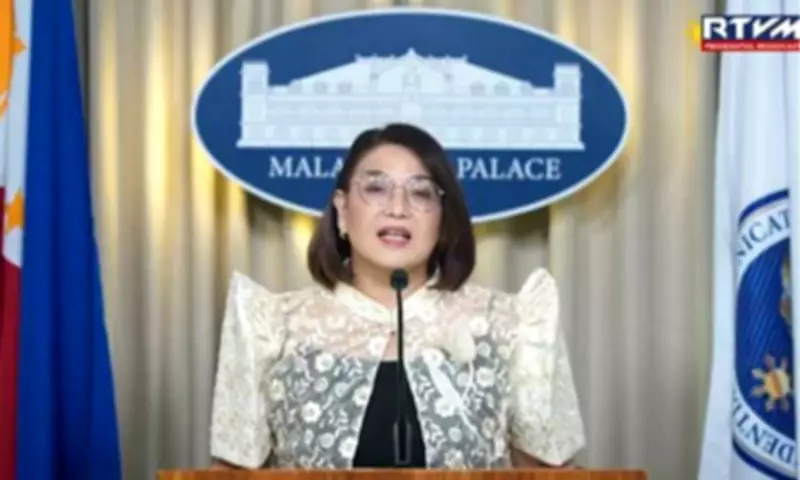
In a press briefing on Friday, March 27, 2026, Palace Press Officer Claire Castro announced that Malacañang views private companies' work-from-home plans as a 'big help' in conserving energy. This comes amid escalating fuel costs driven by ongoing tensions in the Middle East, which have disrupted global supply chains and increased economic pressures.
Government Support for Flexible Work Arrangements
While expressing strong support for these initiatives, the government emphasized that such flexible work arrangements will remain voluntary and not mandated. Castro clarified that the administration encourages businesses to adopt these measures to reduce energy consumption, but it will not impose regulations requiring employees to work remotely. This approach aims to balance energy conservation with individual and corporate autonomy, fostering a collaborative effort to address the crisis.
Debunking Fake News About an 'Energy Lockdown'
Separately, on Friday, April 3, 2026, Malacañang refuted claims circulating on social media about an impending 'energy lockdown' starting April 20. Castro dismissed these rumors as 'fake news' in a text message to reporters, responding to posts that urged the public to prepare supplies like power banks, solar equipment, and candles. The government assured citizens that no such lockdown is currently anticipated, as it continues to secure alternative fuel sources to mitigate potential disruptions.

Government Measures to Stabilize Energy Sector
To address the energy emergency, President Ferdinand R. Marcos Jr. has declared a one-year state of national energy emergency. This declaration aims to tackle potential fuel supply disruptions and stabilize the country's energy sector through proactive measures. Key initiatives include:
- Expanding the fuel subsidy program for the transport sector nationwide, starting April 6, to cushion the impact of rising oil prices.
- Securing assurances from Iran for the safe passage of Philippine-flagged vessels, energy sources, and Filipino seafarers through the Strait of Hormuz, a critical chokepoint for global oil shipments.
During a phone call on Thursday, Foreign Affairs Secretary Ma. Theresa Lazaro and Iranian Foreign Minister Seyed Abbas Araghchi discussed this development, which is vital for ensuring energy security and protecting Filipino workers in the region.
Broader Implications and Public Response
The government's multifaceted strategy highlights its commitment to managing the energy crisis without resorting to extreme measures like lockdowns. By promoting work-from-home options and debunking misinformation, Malacañang aims to foster public trust and encourage energy-saving behaviors. As tensions in the Middle East persist, these efforts are crucial for maintaining stability and reducing the economic burden on Filipinos affected by volatile fuel prices.