Philippines Debates Oil Price Freeze Amid Global Supply Disruptions
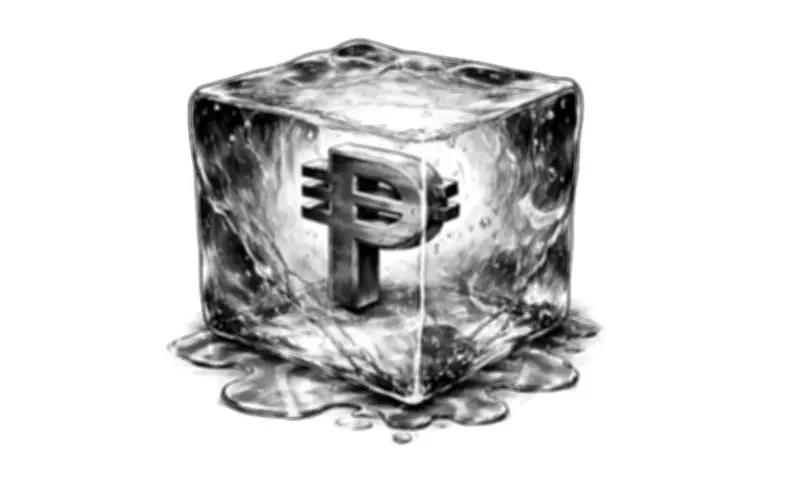
As ongoing tensions in the Middle East continue to impact global oil supplies, the Philippine government has entered discussions on the possibility of implementing a price freeze on petroleum products. While this measure is under review by Malacañang, questions arise about whether it will provide genuine relief or merely mask deeper economic challenges facing the nation.
Potential Benefits for Consumers
On one hand, there is a strong basis for such a move. The frequent increases in oil prices have severely affected the general public, from rising transportation fares to escalating food costs. A price freeze could offer much-needed respite to consumers, particularly those in low-income sectors who are most vulnerable to economic fluctuations.
Industry Concerns and Risks
However, on the other hand, the oil industry expresses significant concerns. If prices are capped while their costs for purchasing crude oil on the international market continue to rise, it could lead to reduced profits or, worse, result in supply shortages. This scenario might precipitate a more severe crisis—a lack of products rather than just high prices.

This is the so-called "balance" that Malacañang has emphasized—protecting consumer interests while ensuring the stability of the industry. In reality, the Philippines, as a nation reliant on imported oil, has limited capacity to control prices when the source depends on uncontrollable external market movements.
Government Actions and Long-Term Solutions
The declaration of a state of national energy emergency demonstrates that the government recognizes the gravity of the situation. It provides authority to mobilize funds and policies to address potential supply shortages. Yet, this should not stop at mere declarations. Clear, concrete measures that endure beyond the crisis are essential.
Overall, studying a price freeze is a reasonable step, but it should not be viewed as the sole solution. The greater challenge lies in strengthening the local energy system, diversifying supply sources, and safeguarding consumers against persistent price hikes. In a crisis with an uncertain end, the government must not only respond to the present but also prepare for the future—so that the people are no longer perpetual victims of every shift in the global market.