Senators Endorse DOE's Fuel Price Regulation Amid National Energy Emergency
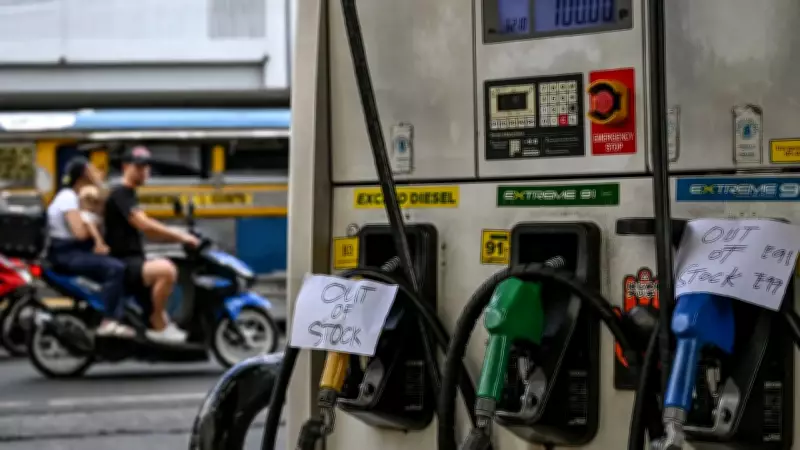
Several senators have publicly declared their support for the Department of Energy (DOE) to establish minimum and maximum fuel price adjustments, as the nation grapples with an ongoing state of national energy emergency. This move aims to stabilize the volatile fuel market and protect consumers from excessive price hikes.
Regulatory Support and Legal Justification
Senate President Pro Tempore Ping Lacson emphasized that such regulation is preferable to allowing oil companies to dictate prices unilaterally, provided the DOE's computations are accurate and reasonable. Lacson highlighted the government's existing authority under Republic Act 8479, the Downstream Oil Industry Deregulation Act, which permits the DOE to take action during emergencies to safeguard the public interest.
Echoing this sentiment, Senate President Vicente "Tito" Sotto III backed the proposal, asserting that price controls on oil are justified under the current circumstances. However, Sotto reiterated his call to review or repeal the oil deregulation law to grant the government more direct control over petroleum pricing, arguing that long-term reforms are necessary for sustained stability.

Immediate Relief and Transparency Measures
Senate Finance Committee Chairperson Sherwin Gatchalian noted that the DOE's initiative could serve as an immediate remedy to the continuous surge in oil prices since March. He stressed the importance of "unbundling" or providing a clear breakdown of fuel costs to ensure that oil companies do not impose fabricated additional charges.
Gatchalian further urged the government to consistently utilize its emergency powers and ensure that both the DOE and oil companies offer sufficient explanations for any fluctuations in petroleum product prices. This transparency, he argued, is crucial for maintaining public trust and preventing market manipulation.
Criticism and Calls for Timelier Action
In contrast, Senator Imee Marcos expressed disappointment, criticizing the DOE's response as belated. She argued that such measures should have been implemented immediately after the state of energy emergency was declared, rather than allowing the situation to escalate and severely impact transportation, agriculture, and the livelihoods of many Filipinos.
Marcos's remarks underscore the urgency of proactive governance in addressing energy crises, highlighting the need for swift and effective interventions to mitigate adverse effects on the economy and daily life.
Broader Implications and Future Steps
The senators' collective stance reflects a growing consensus on the need for regulatory oversight in the fuel sector during emergencies. While immediate price caps are seen as a stopgap solution, discussions around revising the oil deregulation law suggest a push for more permanent structural changes.
As the energy emergency persists, the DOE's ability to enforce these limits will be closely monitored, with outcomes potentially influencing future policy decisions on energy security and economic resilience.