The Evolution of Office Design: From Cubicles to Collaborative Zones
There was once an era when the quintessential office environment resembled an intricate labyrinth. Cubicles, partitions, and walls that stood just tall enough to muffle both ambient noise and individual personality defined the workspace. During this period, privacy reigned supreme as the most coveted feature, while collaboration was strictly confined to scheduled meetings rather than spontaneous interactions across desks.
The Rise and Reality of Open-Plan Offices
Then came a dramatic pendulum swing in the opposite direction. Open-plan offices burst onto the scene, heralded with grand promises of enhanced creativity, transparency, and seamless teamwork. Walls were dismantled, sightlines were extended, and suddenly, everyone had a clear view of everyone else. This architectural shift aimed to foster a more dynamic and interconnected work culture.
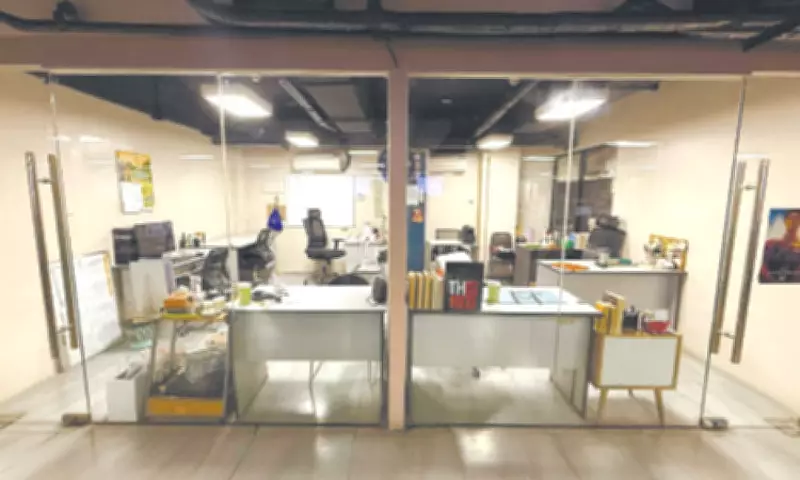
This transformation was recently brought to mind during a reorganization of the SunStar Lifestyle office. What began as a straightforward task of relocating tables and decluttering corners swiftly evolved into a revealing lesson on how physical space profoundly influences behavior. Merely adjusting the layout altered the room's atmosphere almost instantaneously, demonstrating the powerful impact of design on daily work life.

In theory, the concept of open offices appears logical and beneficial. However, in practice, anyone who has attempted to concentrate amidst the backdrop of three simultaneous conversations unfolding nearby understands that the reality can be far more complex and challenging.
Navigating Modern Workspace Challenges
There have even been discreet discussions about potentially reverting to hybrid arrangements for a few weeks, driven by concerns over a possible fuel shortage linked to escalating global tensions involving the United States, Israel, and Iran. Despite such considerations, the open office model itself is unlikely to vanish entirely. When implemented thoughtfully and intentionally, it can function effectively. Conversely, when treated merely as a cost-cutting measure, it often falls short of expectations.
The distinction typically hinges on a handful of small yet deliberate choices. Here are three key strategies that can transform an open office from feeling like a chaotic bullpen into a space where people genuinely desire to work.
Three Essential Strategies for Effective Open Offices
First, create zones instead of rows. Not every task demands the same level of energy or environment. A well-designed open office subtly divides space according to specific activities. Designate collaborative tables for quick discussions, focus desks for concentrated work, and softer corners for informal chats. When employees recognize where certain types of work appropriately belong, the entire room naturally becomes calmer and more organized.
Second, invest in high-quality lighting. Lighting profoundly shapes mood, a factor that many office planners underestimate. Natural light always serves as the optimal starting point. When access to sunlight is limited, incorporating warm, strategically placed lighting can soften what might otherwise feel like a sterile warehouse of desks. Harsh overhead glare has the potential to make even the most aesthetically pleasing office appear clinical and unwelcoming.
Third, maintain clear pathways. Movement is a critical component in an open office environment. When walkways become obstructed by chairs, cables, or temporary storage, the space begins to feel cramped and confined, even if it technically is not. Ensuring clear circulation keeps the room breathable and minimizes those minor daily frustrations that accumulate over time, thereby enhancing overall productivity and comfort.
Finding the Optimal Balance
The most successful offices discover a harmonious middle ground. They provide teams with ample room to see each other, communicate effectively, and simultaneously accomplish their individual tasks without unnecessary distractions.

The modest reshuffling at the SunStar Lifestyle office served as a poignant reminder that enhancing a workspace does not always necessitate extensive renovation or significant financial investment. Sometimes, it simply requires moving a few desks and attentively observing how people genuinely work. Perhaps in a future column, readers will have the opportunity to meet the dedicated individuals behind the Lifestyle and Creative Marketing section, further illuminating the human element within these evolving spaces.