CEBU CITY, Philippines – The future trajectory of Cebu's economy now depends less on tourism and more on the swift completion of critical utility and logistics projects, according to prominent business leaders. The warning was delivered during the second day of the 2026 Cebu International Investment Summit (CIIS), where executives outlined a clear path for sustaining the province's competitive edge.
Infrastructure as an Economic Platform
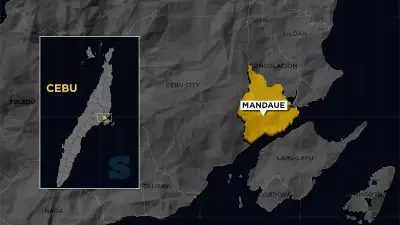
Industry figures pinpointed several high-priority developments as non-negotiable for continued growth. These include the fourth Cebu-Mactan bridge, the Mandaue Coastal Road, the Metro Cebu Expressway, the New Cebu International Container Port in Consolacion, the Cebu Bus Rapid Transit system, and new water desalination facilities.
Willy Justin Go Jr., vice president of the Cebu Contractors Association, emphasized that these are not merely construction projects but foundational economic platforms. He cautioned that any delays or failures in coordination could directly harm Cebu's appeal as a prime investment destination.

Go stressed that expanding physical infrastructure must go hand-in-hand with building a reliable and resilient energy grid, especially as Cebu actively pursues manufacturing and technology-driven investments. He highlighted plans to boost renewable energy use to 35 percent by 2030, supported by large-scale solar projects in northern Cebu, to meet rising power demand while mitigating climate risks.
"Without stable power supply, infrastructure gains could be undermined regardless of how quickly roads, bridges, and ports are built," Go stated.
Addressing Water Security and Housing
Ramon Aboitiz-Tuason, assistant vice president of Aboitiz InfraCapital Inc., identified water security as a major emerging risk for Cebu's growth, exacerbated by rapid population and economic expansion. He advocated for public-private partnerships (PPPs) as the most viable model for scaling water infrastructure, citing the successful development of the Mactan-Cebu International Airport as proof of concept.
For Cebu, Tuason pointed to desalination as a faster, targeted solution, particularly for economic zones and island developments. He noted that a desalination facility on Mactan Island is already operational, supplying water to industrial users.
On the real estate front, Jose Franco Soberano of Cebu Landmasters Inc. said Cebu's property market remains stable due to demand from end-users, not speculators. However, he warned that the national housing backlog, especially for units priced below P3 million, could constrain growth if not addressed alongside infrastructure expansion.
Soberano explained that Cebu's real estate is evolving from isolated housing projects toward integrated, master-planned townships. Large land acquisitions in areas like Liloan in northern Cebu are being designed as self-sustaining communities, with some developments involving Japanese partners to ensure resilience and efficient land use.
Logistics and the Call for Inclusive Growth
Logistics entrepreneur Joseph Tan argued that Cebu's competitiveness also hinges on reliable supply chains supporting tourism, retail, and manufacturing. While Cebu's airport and port infrastructure make it a natural gateway to the Visayas and Mindanao markets, he warned that "front-end developments cannot succeed without strong back-end logistics."
Tan also urged larger corporations to support small and medium enterprises through partnerships and mentoring, stating that inclusive growth strengthens the entire business ecosystem.
Despite overall optimism, summit participants flagged persistent obstacles, including:
- Permitting delays, especially for housing projects, which can take two to three years for approval.
- Unreliable utilities, identified as a potential deal-breaker for investors.
"Power and water stability matter more than incentives … If the lights go out, investments leave," Tuason remarked succinctly.

The stakeholders called for stronger coordination and feedback mechanisms between the private sector and government agencies to improve the ease of doing business. Their consensus was clear: Cebu's attractiveness lies not just in infrastructure spending, but in holistic community planning, support for long-term businesses, and the removal of bottlenecks that slow project delivery. This shift is aligned with Governor Pamela Baricuatro's vision to reposition Cebu from a tourism-centered economy into a regional hub for industry, trade, and technology.