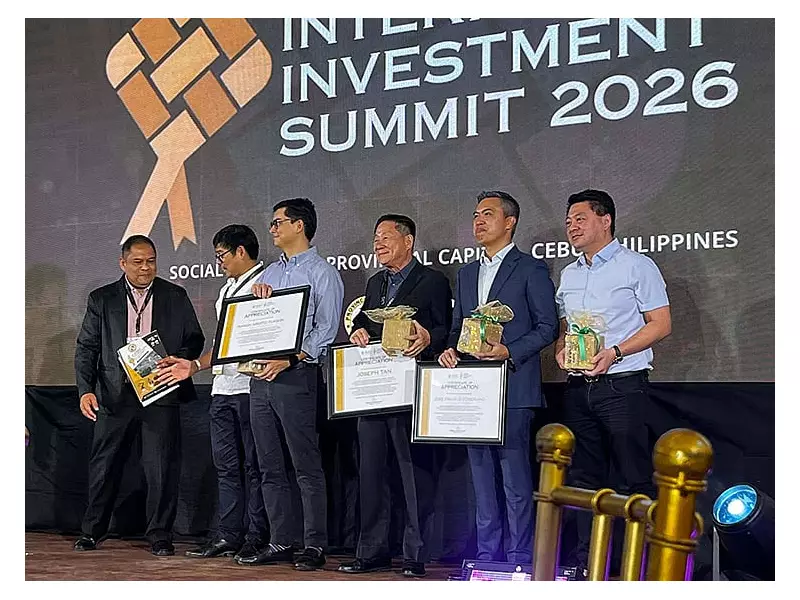
Local business leaders and stakeholders have issued a clear warning: Cebu's next era of economic expansion will not be driven by tourist numbers alone. Instead, its future as a premier investment destination hinges on the timely and large-scale delivery of critical infrastructure, water, energy, housing, and logistics projects. This was the central message during the second day of the 2026 Cebu International Investment Summit (CIIS) held on Tuesday, January 13, 2026.
Infrastructure as the Economic Platform
Industry experts emphasized that Cebu is actively repositioning itself from a tourism-centered economy into a regional hub for industry, trade, and technology. Willy Justin Go Jr., Vice President of the Cebu Contractors Association, stated that the province's growth strategy is anchored on major transport and logistics projects designed to eliminate long-standing bottlenecks and support industrial expansion.
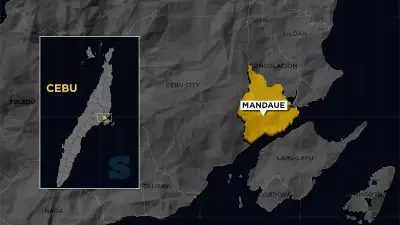
Key projects highlighted include the Fourth Cebu-Mactan Bridge and Mandaue Coastal Road, the Metro Cebu Expressway, the New Cebu International Container Port (NCICP) in Consolacion, and the Cebu Bus Rapid Transit (CBRT) system, which is in its final testing phase.

"These projects are economic platforms, not just structures," Go said. He cautioned that any delays or failures in coordination could directly impact Cebu's competitiveness for investors. Furthermore, he stressed that infrastructure expansion must be paired with reliable and resilient energy systems, especially as Cebu courts manufacturing and tech-driven investments.
Go cited plans to increase renewable energy use to 35 percent by 2030, supported by large-scale solar projects in northern Cebu, to meet rising power demand while mitigating climate risks. "Without stable power supply," he warned, "infrastructure gains could be undermined regardless of how quickly roads, bridges, and ports are built."
Water Security and Housing: Critical Investor Concerns
Another major risk factor identified for Cebu's continued growth is water security. Ramon Aboitiz Tuason, Assistant Vice President of Aboitiz InfraCapital Inc., highlighted this issue amid rapid population and economic expansion. He advocated for public-private partnerships (PPPs) as the most viable model for scaling water infrastructure, pointing to the success of the Mactan-Cebu International Airport as proof.
Tuason mentioned the Davao City Bulk Water Supply Project as a working model for shifting from groundwater to surface water. For Cebu, he noted that desalination offers a faster, targeted solution, particularly for economic zones and island developments, with a facility in Mactan Island already serving industrial users.
On the real estate front, developer Jose Franco Soberano of Cebu Landmasters Inc. said Cebu's property market remains stable due to end-user demand. However, he warned that the nationwide housing backlog, particularly for homes priced below P3 million, could constrain growth if not addressed alongside infrastructure expansion. Sustained investment in transport, utilities, and township developments is essential to keep housing accessible, he added.
The Unseen Backbone: Logistics and Inclusive Growth
Entrepreneur Joseph Tan focused on the critical role of logistics, calling it the unseen backbone of Cebu's competitiveness. While Cebu's airport and port infrastructure make it a natural gateway to the Visayas and Mindanao markets, he warned that front-end developments cannot succeed without strong back-end logistics systems for maintenance and operational supplies.
"Front-end projects fail without back-end systems," Tan stated. He also urged larger firms to support small and medium enterprises through partnerships and mentoring, arguing that inclusive growth strengthens the overall business ecosystem.

In conclusion, panelists agreed that Cebu's attractiveness lies not just in infrastructure spending, but in holistic planning, support for long-term businesses, and the removal of bottlenecks like permitting delays and utility reliability issues. The province's strategic location, skilled workforce, and strong business culture provide a solid foundation, but its future growth trajectory now depends on executing these complex, interconnected projects efficiently.