Davao City Bypass Project Makes Significant Strides Toward Completion
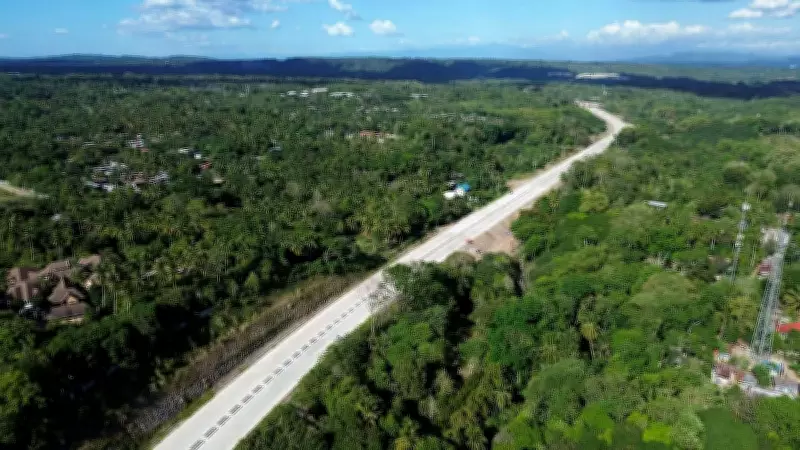
The Davao City Bypass Construction Project is progressing steadily, with aerial views revealing active construction near Elenita Heights in Catalunan Grande as work extends toward Barangay Mintal. This ambitious 45.5-kilometer infrastructure initiative is set to dramatically transform regional transportation by slashing travel time between Barangay Sirawan in Toril, Davao City, and Barangay J.P. Laurel in Panabo City from one hour and 44 minutes to a mere 49 minutes.
Key Features and Economic Impact
Among the project's standout components is a 2.3-kilometer mountain twin tunnel, which is anticipated to become the longest of its kind in the Philippines. Jointly financed by the Japan International Cooperation Agency (JICA) and the Philippine government, this multibillion-peso bypass road aims to alleviate severe congestion in Davao City by providing an efficient alternative route that connects the city's northern and southern corridors.
Japanese Ambassador to the Philippines Endo Kazuya emphasized the critical role of infrastructure in driving economic productivity. He noted that traffic congestion often results in substantial economic losses due to delays and logistical inefficiencies. "If there is congestion, there can be a lot of economic loss in terms of time used on the streets and difficulty in making appointments," Endo stated during a media interview on April 17, 2026. By improving mobility, the project is expected to enhance business efficiency and support Davao's positioning as a premier business hub in Mindanao.

Historical Ties and Broader Support
The economic relationship between Davao and Japan spans over a century, rooted in the abaca industry and a once-thriving Japanese community. Today, Japanese firms remain active in sectors such as agribusiness, manufacturing, and services, contributing to local employment and technology transfer. Beyond physical infrastructure, Japan has invested in human resource development across Mindanao through training programs and capacity-building initiatives. "Human resource development or further capacity development is another key for enhancing or releasing the potential that the Davao Region has," Endo added.
Japan has also supported peace and development efforts in conflict-affected areas of Mindanao, integrating economic growth with social stability to improve the overall investment climate.
Future Outlook Amid Challenges
Despite strong fundamentals, investors are exercising caution in the short term due to global uncertainties, including energy price volatility and supply chain disruptions. Endo acknowledged these risks but expressed optimism about Davao's long-term prospects, citing the region's robust economic potential and ongoing development projects like the Davao bus master plan. As the bypass project advances, it is poised to play a pivotal role in unlocking Davao's competitiveness and sustaining its growth trajectory.