Cebu Office Vacancy Set to Surge Amid AI Adoption and Supply Glut
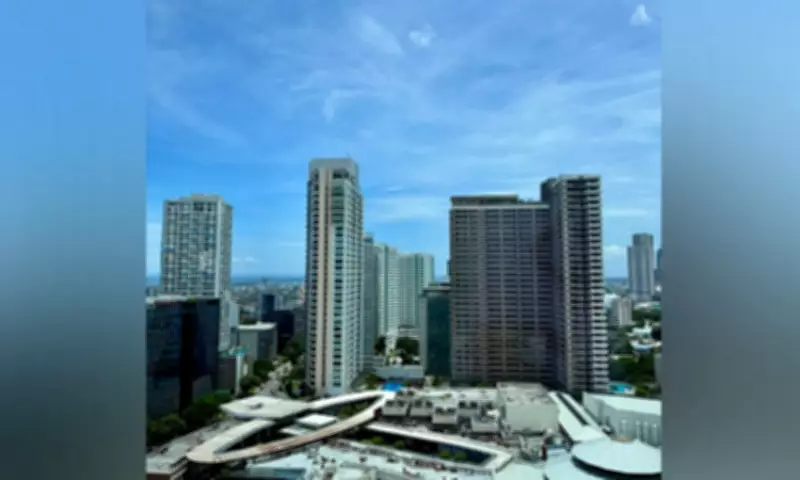
High-rise office and residential towers dominate Cebu's skyline, but the city's commercial real estate market is facing significant headwinds. According to CBRE Philippines, office vacancy rates in Cebu are now projected to climb to 18 percent to 20 percent by the end of 2026, a notable increase from earlier estimates of around 15 percent. This upward revision is driven primarily by the adoption of artificial intelligence (AI) and a surge in new office supply, which are dampening demand, particularly from the information technology-business process management (IT-BPM) sector, traditionally the largest occupiers of office space in the city.
AI Impact on IT-BPM Demand
Latest market data from CBRE Philippines reveal early indications that AI is beginning to reduce office demand, especially among IT-BPM firms that have historically fueled leasing activity. Jie Espinosa, country head for leasing & advisory services at CBRE Philippines, stated during the group's Pagtanaw Q1 2026 Cebu Market Briefing on April 17, 2026, that "The decline in demand from IT-BPM is no longer avoidable. AI-augmented work is already being deployed across companies." While the contraction is not yet steep, firms are becoming more cautious, with lease negotiations now stretching from three to six months to as long as 12 to 18 months, signaling tempered expansion plans.
Leasing Activity Shifts and External Risks
The shift in demand is evident in leasing metrics. In the first quarter of 2026, Cebu recorded a historic high of around 30 transactions, but total leased space remained modest. The average deal size dropped sharply to between 150 and 400 square meters, far below the roughly 1,500 square meters average seen in 2025. CBRE Philippines described the market as "active but unproductive," with smaller, fragmented deals replacing large-scale expansions typically driven by IT-BPM occupiers. This marks a stark contrast to 2025, when Cebu posted its strongest leasing performance on record, driven largely by IT-BPM firms, with 84 transactions completed and several buildings in core districts reaching full occupancy.

External risks are also adding uncertainty. Espinosa cited geopolitical tensions in the Middle East as a potential drag on business sentiment, with some companies reportedly reconsidering expansion and exploring wider work-from-home arrangements, which could further reduce office absorption.
New Supply and Market Challenges
Compounding the demand issues, Cebu's market is entering a more challenging phase as a wave of new office supply comes online. Developers are set to deliver about 110,000 square meters of additional office space in 2026, including large-format developments such as a 60,000-square-meter project in the South Road Properties (SRP). Much of this new inventory consists of large floor plates that may take time to absorb amid shrinking tenant requirements. "The market will need time to digest the incoming supply," Espinosa noted, highlighting a growing mismatch between available large spaces and declining transaction sizes.
Total available office space in Cebu has already reached around 178,000 square meters, with a significant share located in fringe areas where landlords are facing weaker demand and downward pressure on rents.
Shadow Supply and Vacancy Underestimation
Espinosa also warned that headline vacancy rates may not fully reflect actual market conditions due to so-called "shadow supply." This refers to office spaces expected to become available soon—such as those slated for non-renewal or downsizing—but not yet officially recorded as vacant. While prime submarkets like Cebu IT Park and Cebu Business Park still show relatively manageable vacancy levels, market participants are already factoring in higher effective vacancy. "Developers, brokers and occupiers are negotiating as if vacancies are already higher," Espinosa said, adding that official vacancy figures are likely to rise further once these spaces formally return to the market.

Outlook for 2026 and Beyond
With weaker first-quarter leasing performance, CBRE Philippines said matching last year's record demand will be difficult. The combination of AI-driven efficiency, hybrid work arrangements, and incoming supply is expected to keep pressure on occupancy and rental growth through the rest of 2026. "The question now is no longer just about demand growth, but how much space that demand actually requires," Espinosa emphasized.
Industry players added that future strategies will hinge on a deeper understanding of tenant needs, cost structures, and the evolving role of office space in a more flexible, technology-driven work environment. As Cebu navigates these challenges, stakeholders must adapt to a rapidly changing real estate landscape shaped by technological advancements and shifting market dynamics.