Davao City Government Steps Up Fuel Price Monitoring Amid Global Tensions
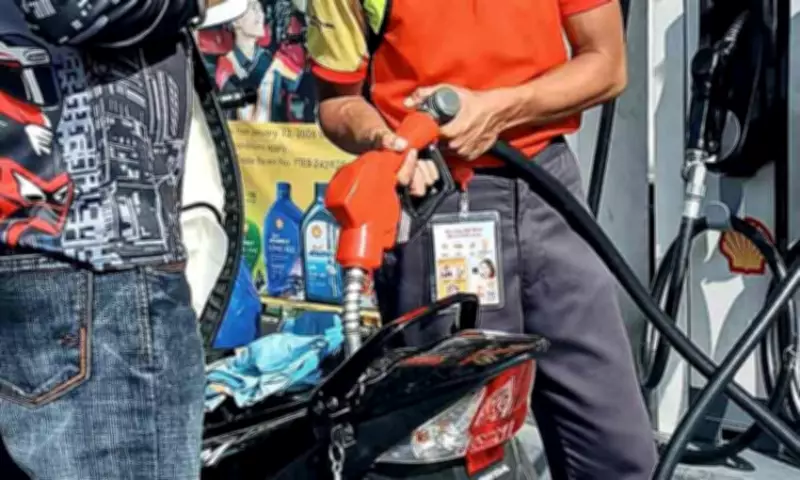
Motorists in Davao City are grappling with the immediate effects of recent fuel price increases, as oil companies implemented adjustments earlier this week. On Sunday morning, March 8, 2026, a rider was observed refueling his motorcycle at a gasoline station along Quimpo Boulevard, highlighting the ongoing concerns among local drivers. Many did not wait for the official implementation, forming lines at nearby stations in anticipation of further hikes.
Local Government Response and Inspections
The city government of Davao is actively monitoring fuel prices in response to the widening conflict in the Middle East. Harvey Lanticse, head of the Davao City Information Office, announced that the city's Business Bureau has been directed to conduct regular inspections of gasoline stations. These checks aim to ensure compliance with prescribed pricing and prevent premature increases, hoarding, or overpricing.
"The LGU encourages consumers to report any irregularities in fuel stations through Davao City Reports," Lanticse stated in a release on March 9, 2026. This initiative underscores the local government's commitment to protecting consumers from unfair practices.

National Monitoring and Violations
The Department of Energy (DOE) has ordered authorities nationwide to monitor fuel prices after reports surfaced of some stations raising prices by as much as P8 per liter ahead of scheduled adjustments. In Tagum City, Davao del Norte, one gas station increased its diesel price from P64.85 to P73.20 per liter, prompting authorities to intervene and direct a restoration of the original price.
Under Department Circular No. DC2019-05-0008, all oil companies must notify the DOE no later than 3 p.m. the day before implementing any fuel price changes. Adjustments are scheduled every Tuesday and must remain in effect for seven days. Violations can lead to suspension or cancellation of permits and certificates required for operation in the oil industry.
Global Context and Supply Concerns
Fuel prices are expected to continue rising due to the Middle East conflict, which was triggered by attacks on Iran by the United States and Israel, threatening global oil supply. Despite this, the DOE has advised the public against hoarding or panic buying, noting that the Philippines currently maintains about two months of fuel supply.
To bolster reserves, the government plans to purchase one million barrels of diesel from allied countries, including Japan, South Korea, Indonesia, Malaysia, and Singapore. This strategic move aims to mitigate potential shortages and stabilize the market amid ongoing geopolitical tensions.
As Davao City and the nation navigate these challenges, the combined efforts of local and national authorities seek to ensure fair pricing and adequate fuel availability for all motorists.