Malacañang Dismisses Emergency Call, Asserts Control Over Oil Price Hike Impact
The Malacañang Palace has firmly rejected calls for a state of national emergency in response to ongoing oil price shocks, asserting that the administration of President Ferdinand 'Bongbong' Marcos Jr. maintains control over the situation. This declaration comes amid heightened tensions in the Middle East, which have contributed to volatile global oil markets and rising fuel costs in the Philippines.
Rejection of Emergency Declaration Proposal
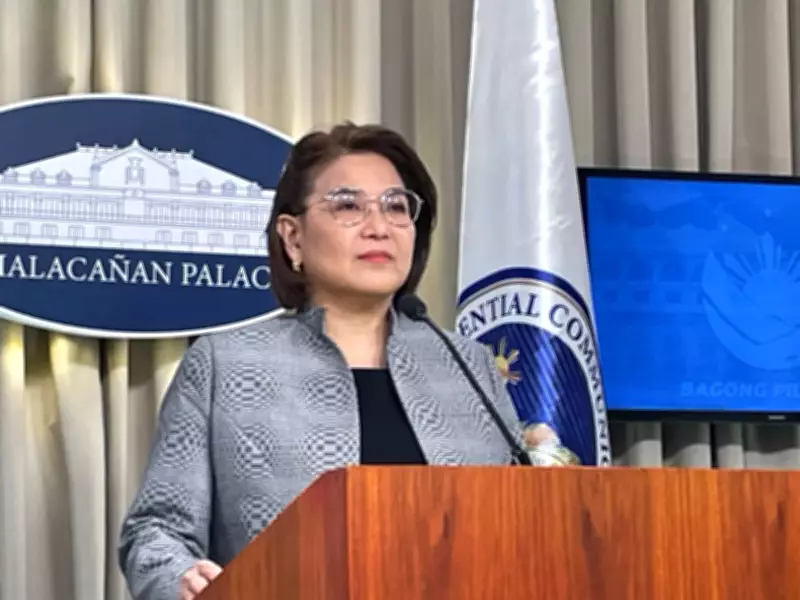
In a recent press briefing, Palace Press Officer Undersecretary Atty. Claire Castro clarified the government's stance, directly addressing a proposal from House Deputy Speaker Raymond Democrito Mendoza. Mendoza had urged President Marcos to declare a state of national emergency, which would temporarily allow the government to take over the oil industry and regulate petroleum prices. Castro emphasized that the country is not in such a crisis and appealed to the public to avoid spreading fear or panic.
Government Measures to Mitigate Effects
To alleviate the impact of the oil price hikes, President Marcos has outlined several direct interventions. Key measures include:

- Fuel subsidies from the Department of Agriculture (DA) and the Bureau of Fisheries and Aquatic Resources (BFAR) for farmers and fisherfolk.
- Reductions in fees by the Civil Aviation Authority of the Philippines (CAAP), including cuts to passenger service charges, landing fees, and parking fees at airports.
- Cash assistance of P5,000 for drivers of public utility vehicles, who have been severely affected by the series of oil price increases.
These steps are designed to provide immediate relief to vulnerable sectors and stabilize the economy without resorting to emergency powers.
Context and Broader Implications
The ongoing tensions in the Middle East have exacerbated global oil supply concerns, leading to price fluctuations that ripple through economies worldwide. In the Philippines, the government's response focuses on targeted support rather than broad regulatory overhauls. By rejecting the state of emergency proposal, Malacañang signals confidence in its current strategies and aims to maintain economic stability through measured, sector-specific aid.
This approach underscores the administration's commitment to addressing the crisis without escalating public anxiety or disrupting market operations. As the situation evolves, further updates on these initiatives are expected to ensure continued support for affected communities.