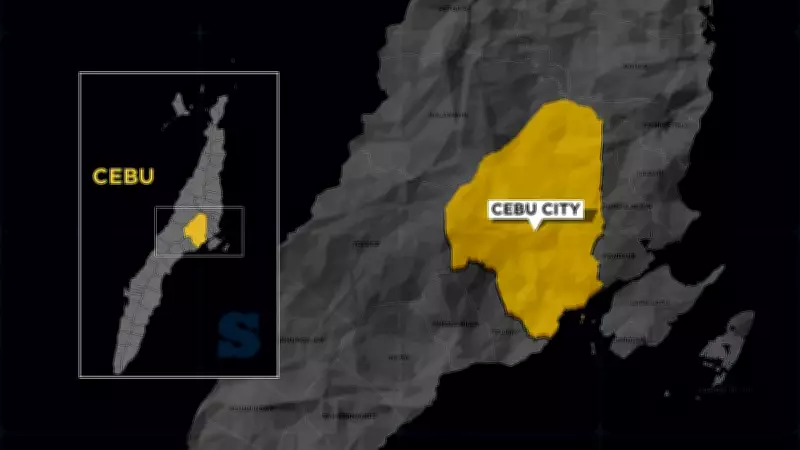
Cebu City Moves to Implement Safety Regulations for Outdoor Tourism Sites
In response to a tragic accident that exposed oversight gaps, Cebu City is actively considering the introduction of new safety rules for its burgeoning outdoor tourism destinations. The proposed ordinance, spearheaded by Councilor Dave Tumulak, seeks to establish comprehensive standards for mountain barangays and waterways, which are often characterized by steep terrain, strong currents, and unpredictable weather shifts. This initiative aligns with the city's broader efforts to open additional highland attractions, such as waterfalls and interior mountain trails, to a growing number of visitors.
A Fatal Incident Spurs Legislative Action
The measure was formally introduced on July 29, 2025, following the death of a hiker at Budlaan Falls, who was swept away by powerful currents during inclement weather. This incident has highlighted the inherent risks associated with upland and river sites, particularly during sudden downpours. While Cebu's mountain barangays and waterfalls have gained popularity among local trekkers and adventure enthusiasts, safety protocols have not consistently evolved to match the surge in tourist activity.
During the initial public hearing at the City Council on Tuesday, February 24, 2026, Councilor Sisinio Andales raised questions about the necessity of additional safeguards, pointing out that no major incidents involving foreign tourists have been documented in Cebu's upland areas. However, Tumulak emphasized that previous accidents involving local hikers and residents underscore the urgent need for more explicit regulations.

Key Provisions of the Proposed Ordinance
The draft measure outlines several new requirements for both organizers and participants in outdoor activities:
- Mandatory Participant Registration: This would enable authorities to track visitors more efficiently in remote locations during trekking and similar excursions.
- Standardized Safety Briefings: Organizers would be required to conduct pre-activity briefings that detail site-specific hazards, including steep terrain and volatile weather conditions.
- Early Warning Systems and Hazard Signs: High-risk areas would need to implement these measures, with barangays establishing command posts to coordinate emergency responses.
The ordinance also advocates for the use of trained local guides. Violators could face penalties such as fines starting at P1,500, imprisonment, or the revocation of permits and licenses. A portion of the collected fees would be allocated to barangays to support enforcement efforts.
Addressing Regulatory Gaps and Community Concerns
Discussions during the hearing revealed that trekking groups are not currently registered with the City Tourism Office, and off-road activities offered by resorts operate without formal monitoring. City Tourism Officer Ann Marie Vestil stated that the ordinance aims to prevent accidents as outdoor tourism expands, emphasizing the need for improved coordination and clearer rules, especially in remote areas where emergency response times can be delayed.
Mayor Nestor Archival has expressed interest in opening more sites with waterfalls and interior mountain trails to the public. Vestil noted that many areas remain inaccessible due to issues like lack of right of way and insufficient infrastructure, including monitoring systems and emergency coordination mechanisms.
Outdoor enthusiasts have called for the inclusion of regulations for motocross and off-road motorcycle activities in the ordinance, citing concerns over soil erosion, noise pollution, and trespassing on private land. They advocate for designated routes, permits, and clear penalties. The City Environment and Natural Resources Office recommended conducting carrying capacity studies before opening new trails to mitigate ecological damage and proposed restrictions in protected, cultural, and historical zones.

Andrea Xayide Gaurana of Pamutan Trail Fest highlighted that organized trail events benefit local vendors, such as karinderyas and sari-sari stores. She urged enhanced training for the Disaster Risk Reduction and Management Office in high-angle and wilderness rescue operations and called for training barangay residents as local medics. Neil Mabini of the National Mountaineering Federation of the Philippines offered technical assistance, including basic mountaineering courses and search-and-rescue support.
A representative from the Philippine Islands Conservation of Karsts suggested expanding the ordinance's coverage to activities like rock climbing, caving, bikepacking, and orienteering. The group also warned against unregulated social media recruitment of participants without proper safety protocols.
Balancing Safety with Accessibility
Some participants in the public hearing expressed concerns about proposed fines and requirements for specialized gear, arguing that stricter rules could limit access for students and low-income outdoor enthusiasts. City officials now face the complex challenge of balancing safety, environmental protection, and public access. If approved, this ordinance has the potential to fundamentally reshape how outdoor adventures are organized and monitored in Cebu City, ensuring a safer and more sustainable tourism environment.