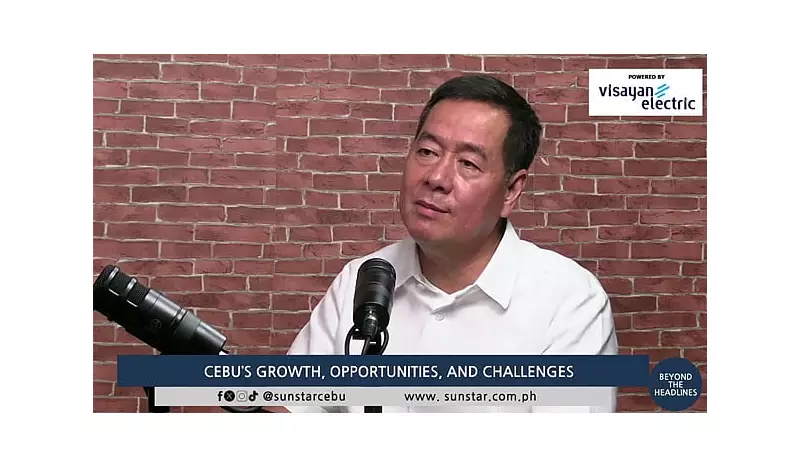
Cebu's tourism sector is at a pivotal moment, with industry leaders calling for a fundamental shift in strategy. The focus must move beyond traditional destination marketing to prioritize the creation of high-quality, integrated visitor experiences to ensure long-term growth and competitiveness.
Beyond Promotion: Building a Seamless Visitor Ecosystem
Jay Yuvallos, the president of the Cebu Chamber of Commerce and Industry, delivered a clear message during a recent interview on SunStar Cebu's Beyond the Headlines. He emphasized that promotion alone is insufficient for the province's tourism to thrive in an increasingly competitive global market.
"The challenge is connecting culture, services, transport, and small businesses into one seamless ecosystem that visitors can easily access," Yuvallos stated. He pointed out that while Cebu has actively promoted itself through festivals, MICE events, and cultural showcases, significant gaps remain. These include the integration of local enterprises, digital access to tourism products, and the reliability of transport systems.

Yuvallos warned that the current fragmented approach to development limits the economic benefits that should flow to micro, small, and medium enterprises (MSMEs), such as souvenir makers, tour operators, and service providers. He also highlighted that technology-enabled access to information and experiences is now critical for Cebu to stay ahead of regional rivals offering more predictable and integrated visitor journeys.
New Branding Initiative Seeks Inclusive Input
Parallel to this call for experiential development, the Cebu Provincial Tourism Office has initiated a rebranding process. On January 15, 2026, consultations began with industry stakeholders and key partners to gather input on a proposed new identity for the province's tourism sector.
Provincial Tourism Officer Rowena Lu Y. Montecillo explained that this inclusive exercise aims to align Cebu's tourism identity with current market realities while incorporating local perspectives. She affirmed that tourism remains a top priority under the administration of Governor Pamela S. Baricuatro and is seen as vital for economic recovery and growth.
During the consultation session, stakeholders reviewed proposed concepts, shared creative ideas, and voiced concerns. A key emphasis from participants was that any new tourism campaign must authentically reflect Cebu's character as defined by Cebuanos and effectively target specific market niches. Officials confirmed that the gathered feedback will be used to refine the branding framework before a broader campaign rollout.
Urgent Action Needed to Sustain Growth
Yuvallos stressed the urgency of addressing these structural challenges, including mobility and infrastructure constraints. He acknowledged ongoing coordination with the Department of Tourism to develop new tourism products and destinations. However, as Cebu seeks to attract higher-value visitors and sustain momentum beyond the post-pandemic recovery, the province must act swiftly.
The consensus among leaders is clear: the future of Cebu's tourism depends not just on telling the world to come, but on ensuring that every visitor's journey—from cultural immersion and digital planning to transportation and support for local businesses—is seamless, high-quality, and memorable. Failure to build this cohesive ecosystem risks Cebu losing ground to other destinations in the region.